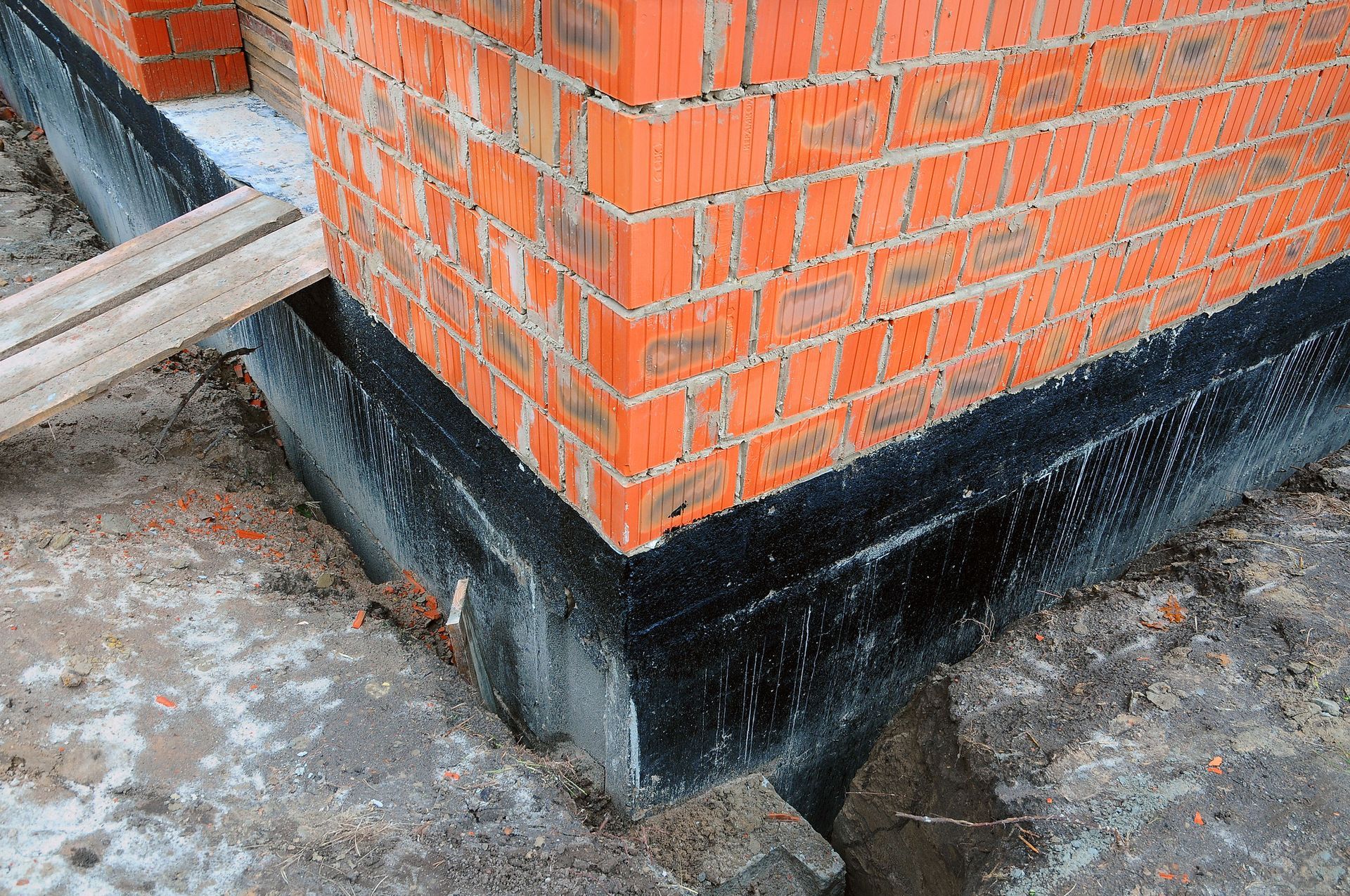
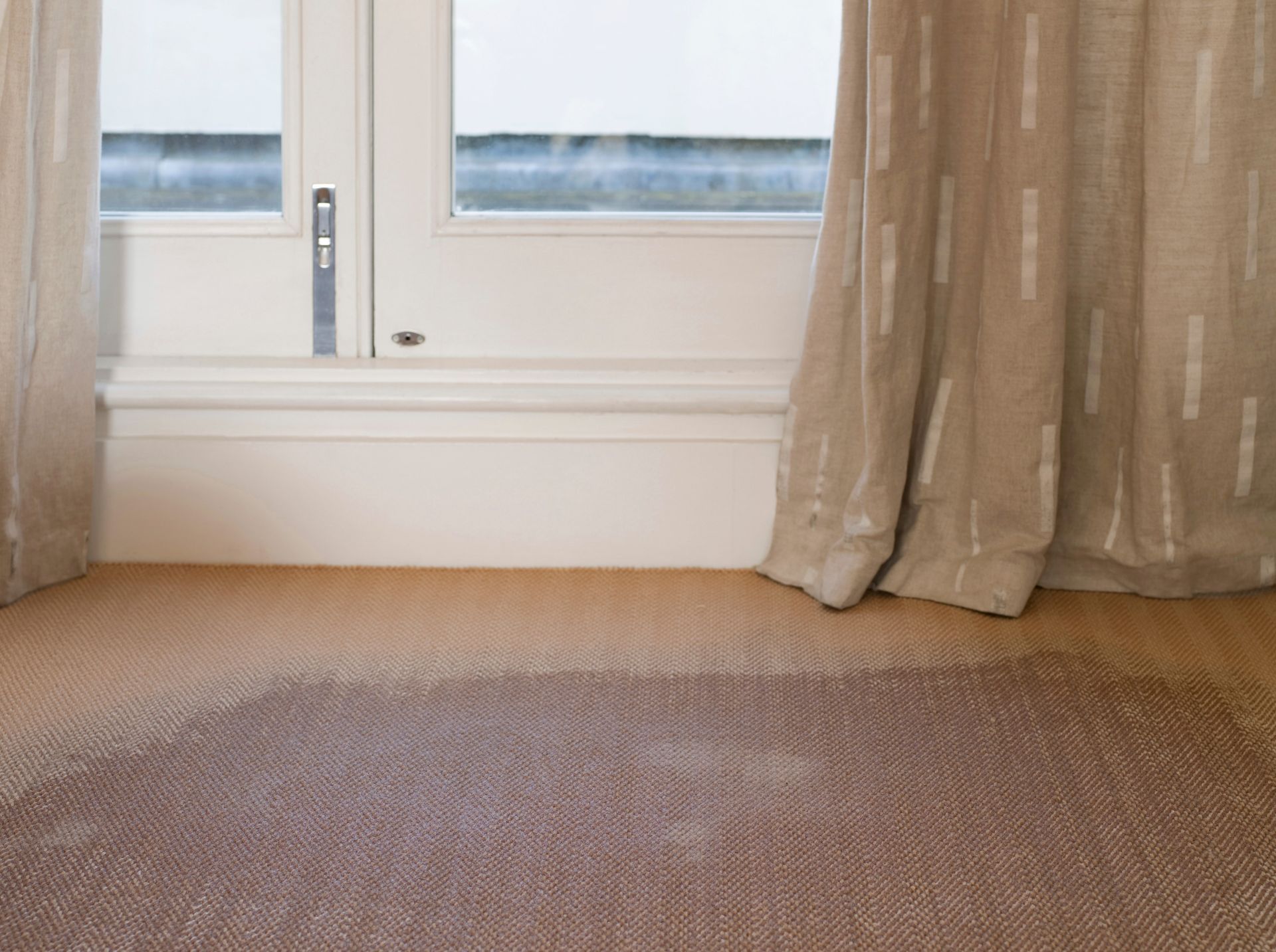
Never underestimate the damage that excessive moisture can do to your home. Consider the benefits of professional foundation waterproofing on your property.
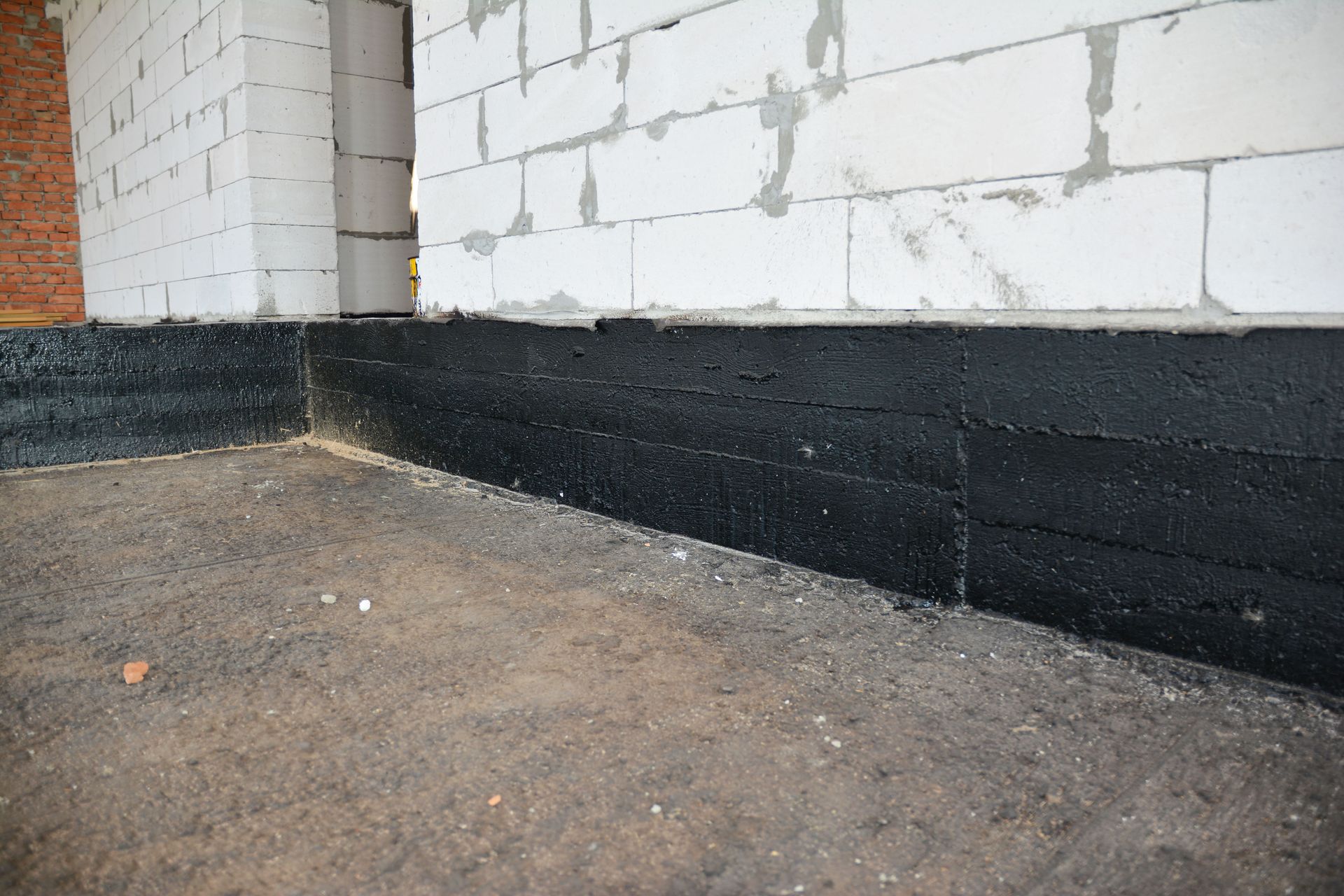
Keep your home dry and safe! From roof checks to foundation tips, learn how to stop leaks before they start with a pro waterproofing company.
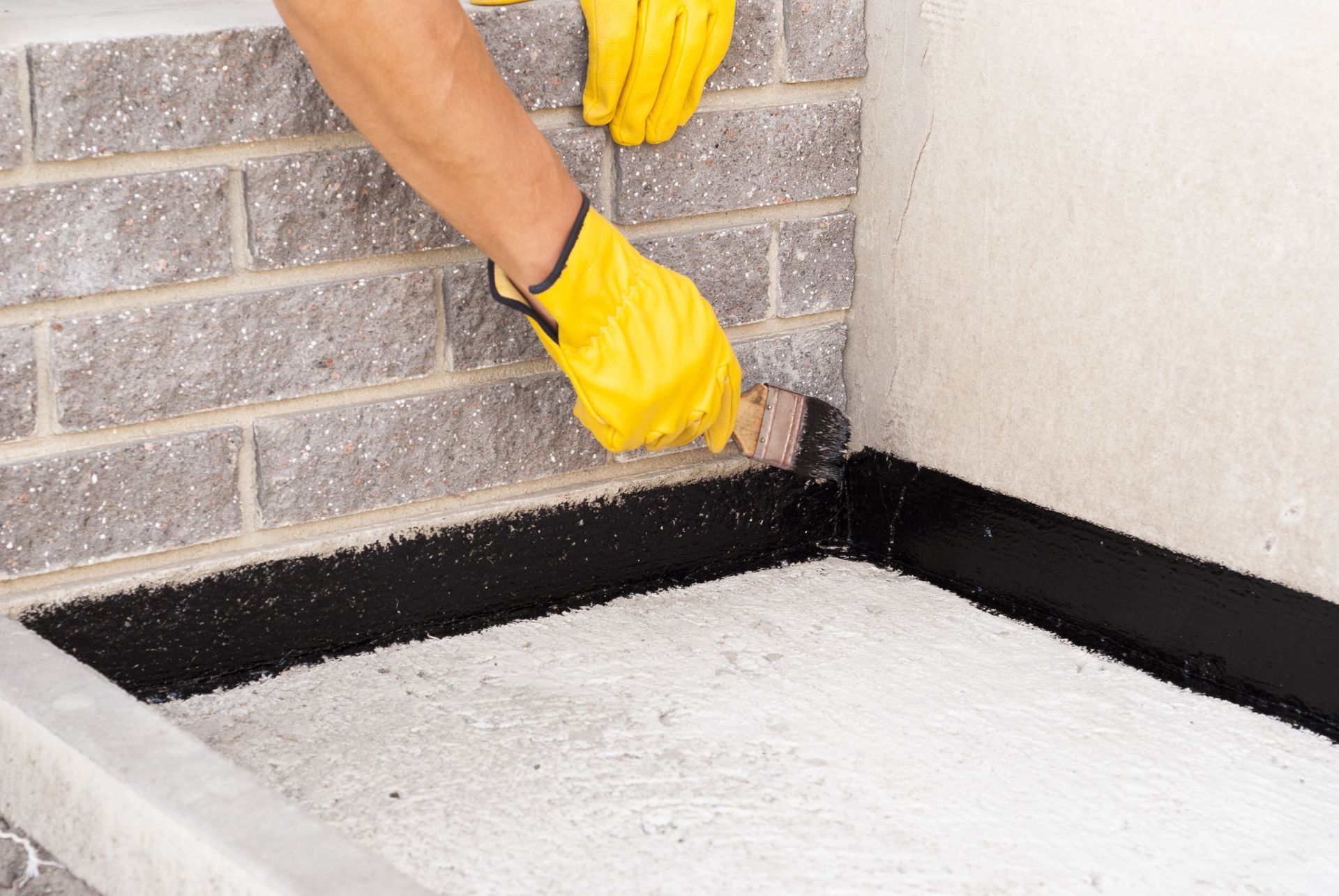
Basement waterproofing is a crucial investment for homeowners looking to protect and preserve their homes. It involves using various techniques to prevent water intrusion and manage moisture levels in the basement. As an integral part of home maintenance, basement waterproofing guards against the detrimental effects of water damage, which, according to iProperty Management, affects 98% of basements in one form or another. This article will delve into the numerous advantages of basement waterproofing services, including structural integrity, increased property value, energy efficiency, health benefits, expansion of usable space, and peace of mind. Improved Structural Integrity Prevention of Water Damage Water damage is arguably one of the most challenging issues a homeowner can face, especially when it occurs in the basement. When water enters unprotected basements, it can saturate walls, floors, and insulation, leading to widespread damage over time. Waterproofing your basement ensures that water and moisture do not infiltrate these areas, effectively preventing potential water damage. Through the use of sealants, drainage systems, and sump pumps, waterproofing services offer a formidable defense against water-related destruction. The preventative action of basement waterproofing services not only protects the structural components of your home but also saves homeowners from costly repairs in the future. Reduction in Foundation Cracking Foundation cracking is a common issue that can arise from water infiltration in basements. When moisture seeps into the foundation, it weakens the structural integrity, leading to cracks that can become serious over time. By investing in basement waterproofing, homeowners can significantly decrease the likelihood of foundation problems. Waterproofing methods reinforce the foundation, providing a barrier against water and soil pressure that can lead to cracking. This results in a more robust and stable foundation, extending the overall lifespan of the building. Enhanced Lifespan of the Building A building's longevity is directly linked to how well it is protected from the elements, including water intrusion. Basement waterproofing services help to fortify a home's defenses against moisture-related issues, thus contributing to a longer building lifespan. By addressing potential water problems early on, homeowners can avoid the gradual deterioration that unchecked moisture can cause. Waterproofing contributes to maintaining the overall health of the home's structural components, ensuring that they remain strong and durable for many years. This investment in longevity pays dividends by preserving the property’s value and reducing the need for extensive repairs or renovations. Increased Property Value Enhanced Market Appeal Having basement waterproofing services done significantly boosts the market appeal of a home. Prospective buyers are increasingly aware of the importance of living in a home that guards against moisture issues, and a waterproofed basement signifies that the property has been maintained with care. This added confidence can make the difference when buyers are comparing similar properties on the market. Homes with waterproofed basements stand out as more attractive options due to the reduced risk of future repairs. Consequently, the investment in waterproofing can pay off during the sale process, enhancing the market appeal of the property. Higher Resale Price A waterproofed basement can lead to a higher resale price for the property. Buyers often prefer homes that require fewer immediate improvements, and a waterproofed basement eliminates one potential area of concern. This proactive measure reassures potential purchasers, potentially allowing the seller to command a higher asking price. Furthermore, the perception of lower maintenance and repair costs in the future can also provide leverage in negotiations. Overall, the upfront investment in basement waterproofing can yield significant dividends in terms of resale value. Attractiveness to Potential Buyers A waterproofed basement not only enhances the market value but also elevates the attractiveness of the property to potential buyers. In competitive housing markets, features that distinguish a property can be crucial in swaying buyer decisions. Waterproofed basements demonstrate attention to critical details, appealing to buyers who prioritize water damage prevention. This advantage facilitates easier and quicker sales, minimizing the time a property spends on the market. The assurance that a basement will remain dry and usable further attracts buyers seeking a move-in-ready space. Enhanced Energy Efficiency and Cost Savings Reduced Heating and Cooling Costs Basement waterproofing services contribute significantly to reducing heating and cooling costs. A well-sealed basement acts as a buffer against temperature fluctuations, maintaining a more consistent indoor environment. By preventing the ingress of cold air and moisture during winter, waterproofing reduces the strain on heating systems. Similarly, it helps maintain cooler temperatures in the summer, minimizing reliance on air conditioning. These efficiencies translate to significant savings on energy bills over time, making waterproofing an economically sound decision. Minimized Energy Loss Energy loss is a significant concern for homeowners seeking to minimize utility expenses. A waterproofed basement plays a role in reducing this loss by maintaining airtight conditions. Proper sealing prevents drafts and the escape of conditioned air, preserving energy within the home. This thermal efficiency not only reduces energy costs but also enhances the overall comfort of the living space. By minimizing energy loss, waterproofing not only benefits the homeowner’s wallet but also supports environmental sustainability. Better Insulation Properties Basement waterproofing services can improve the insulation properties of a home. By ensuring that the basement remains dry, the insulation retains its effectiveness in controlling temperature and humidity. Wet insulation loses much of its capacity to insulate effectively, leading to higher energy consumption. Proper waterproofing maintains the integrity of insulation materials, keeping the home energy efficient and reducing utility costs. Improved insulation contributes to a more comfortable indoor climate year-round, underscoring the value of waterproofing services. Maintained Health and Safety Benefits Prevent Mold and Mildew Mold and mildew thrive in damp environments, posing significant health risks to occupants. Basement waterproofing services effectively prevent these hazardous conditions by keeping the space dry and reducing humidity levels. The absence of mold alleviates respiratory issues and allergies commonly associated with damp environments. It also maintains a fresher and healthier living environment, crucial for families, especially those with young children or elderly members. Investing in waterproofing is a proactive measure to ensure a health-conscious home. Reduce Allergens By eliminating mold and mildew growth through waterproofing, homeowners also reduce the presence of allergens in the home. This reduction is vital for allergy sufferers, creating a more livable and comfortable environment. Waterproofing minimizes exposure to allergens like dust mites and mold spores, prevalent in damp basements. A healthy home environment supports better health outcomes and an improved quality of life for all residents. Thus, waterproofing serves not just the structural integrity of the home but also the wellbeing of its occupants. Create a Safe Living Environment A safe living environment is paramount, and waterproofing services contribute significantly to achieving this. By preventing water damage, waterproofing mitigates risks associated with structural insecurities, like leaning walls or foundation issues. It also reduces the risk of electrical hazards, as moisture can compromise the safety of electrical installations. This comprehensive approach fortifies the home environment, ensuring safety and security for the household. The peace of mind from knowing the home is protected against these threats is invaluable to homeowners. Basement waterproofing services offer substantial benefits that extend beyond the immediate objective of preventing moisture intrusion. They provide essential enhancements to structural integrity, energy efficiency, property value, and health, while also expanding usable space and contributing to peace of mind. By understanding the myriad advantages that waterproofing delivers, homeowners are equipped to make informed decisions that safeguard their investments and improve their quality of life. Investing in professional waterproofing services reinforces a commitment to maintaining a safe, functional, and high-value home. As a proactive measure, it prepares homeowners for future challenges, underscoring the true value of waterproofing. Contact us today at Your Waterproofer for more information.