May 4, 2026
Water damage is one of the most common and costly issues homeowners face, yet it often goes unnoticed until it becomes severe. Whether caused by plumbing failures, natural disasters, or gradual moisture buildup, water intrusion can impact everything from your home's structure to your indoor air quality. Understanding how water damage occurs, how to detect it early, and how to prevent it can save you significant time, stress, and money.
According to RainbowRestores.com, water is responsible for 45% of all interior property damage, exceeding losses caused by fire and burglary combined. This statistic highlights just how critical it is to remain vigilant. By learning the warning signs and adopting preventive strategies, homeowners can better protect their property's structural integrity, including the foundation, and avoid long-term complications.
Recognizing Common Causes of Water Damage
Water damage can originate from a variety of sources, many of which begin as minor issues that escalate over time. Plumbing problems are among the most frequent culprits. Leaky pipes, worn seals, and aging fixtures can slowly release water behind walls or beneath floors, often going undetected until significant damage has occurred. Regular inspections and timely repairs are essential for preventing these hidden leaks from worsening.
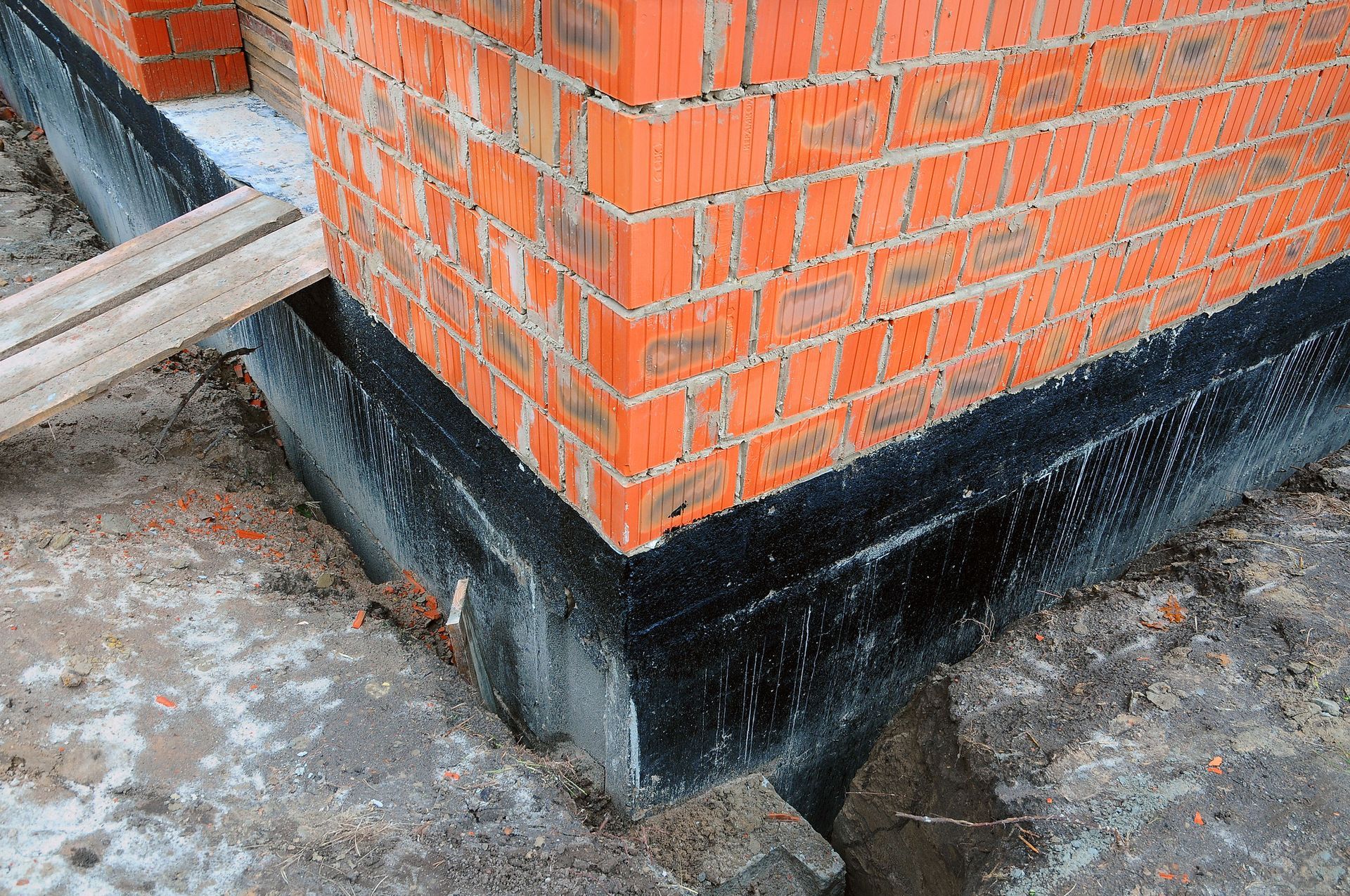
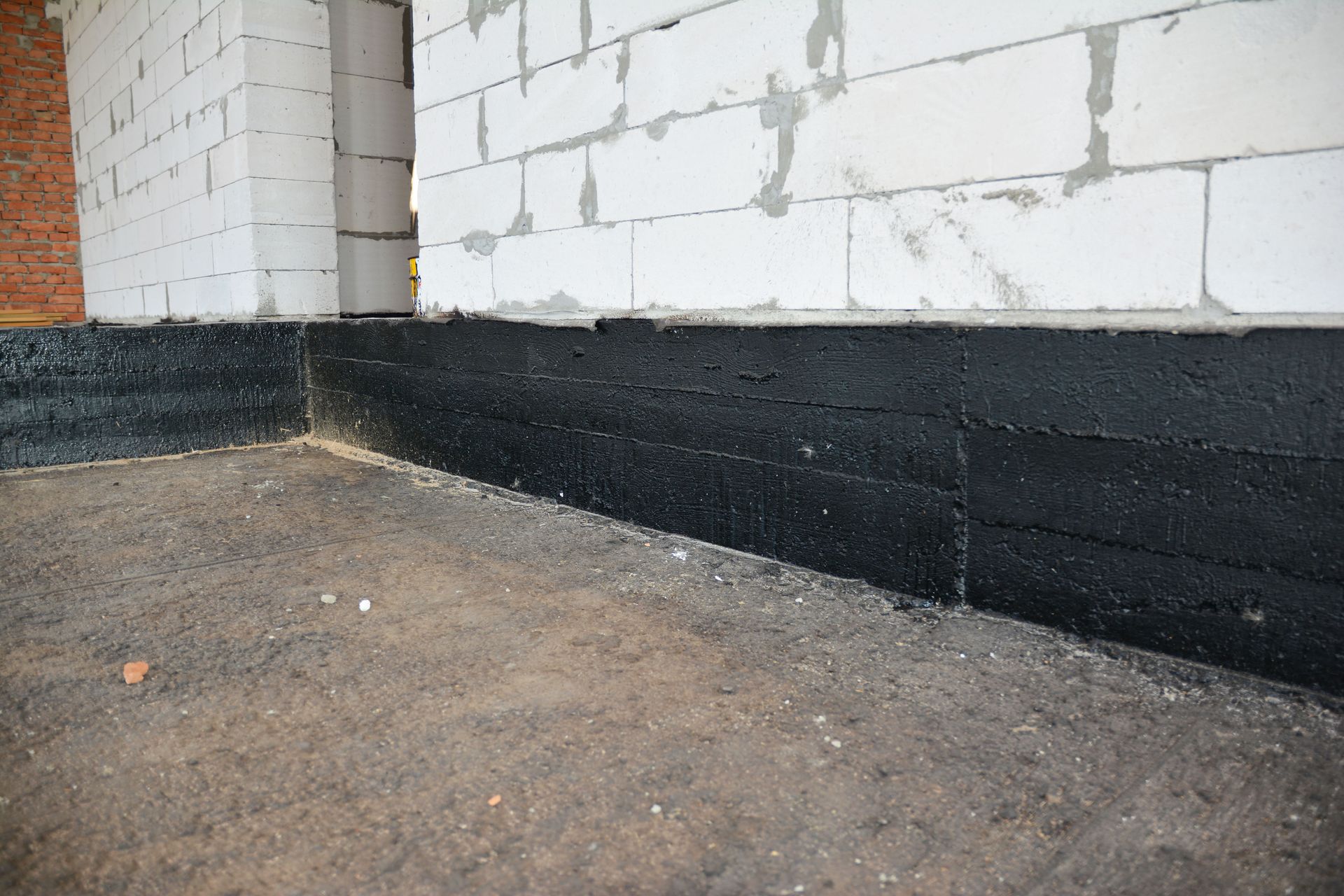
Natural disasters also pose a serious risk. Heavy rainfall, flooding, and storms can overwhelm drainage systems and allow water to infiltrate homes. When water pools around the foundation, it increases the likelihood of seepage into basements and crawlspaces, leading to structural concerns and mold growth. This is where foundation waterproofing becomes especially important, as it helps create a barrier against moisture intrusion at one of the most vulnerable points of your home.
Roofing and gutter issues are another major contributor. Damaged shingles or clogged gutters prevent water from being properly directed away from the home. Over time, this can lead to leaks that travel through ceilings and walls. Keeping gutters clean and ensuring your roof is in good condition are simple yet effective ways to reduce exposure to water damage.
Appliances such as washing machines, dishwashers, and water heaters can also fail unexpectedly. A burst hose or faulty connection can release large amounts of water in a short period. Routine maintenance and the use of modern leak detection systems can help prevent these sudden incidents from causing widespread damage.
Catching the Early Warning Signs
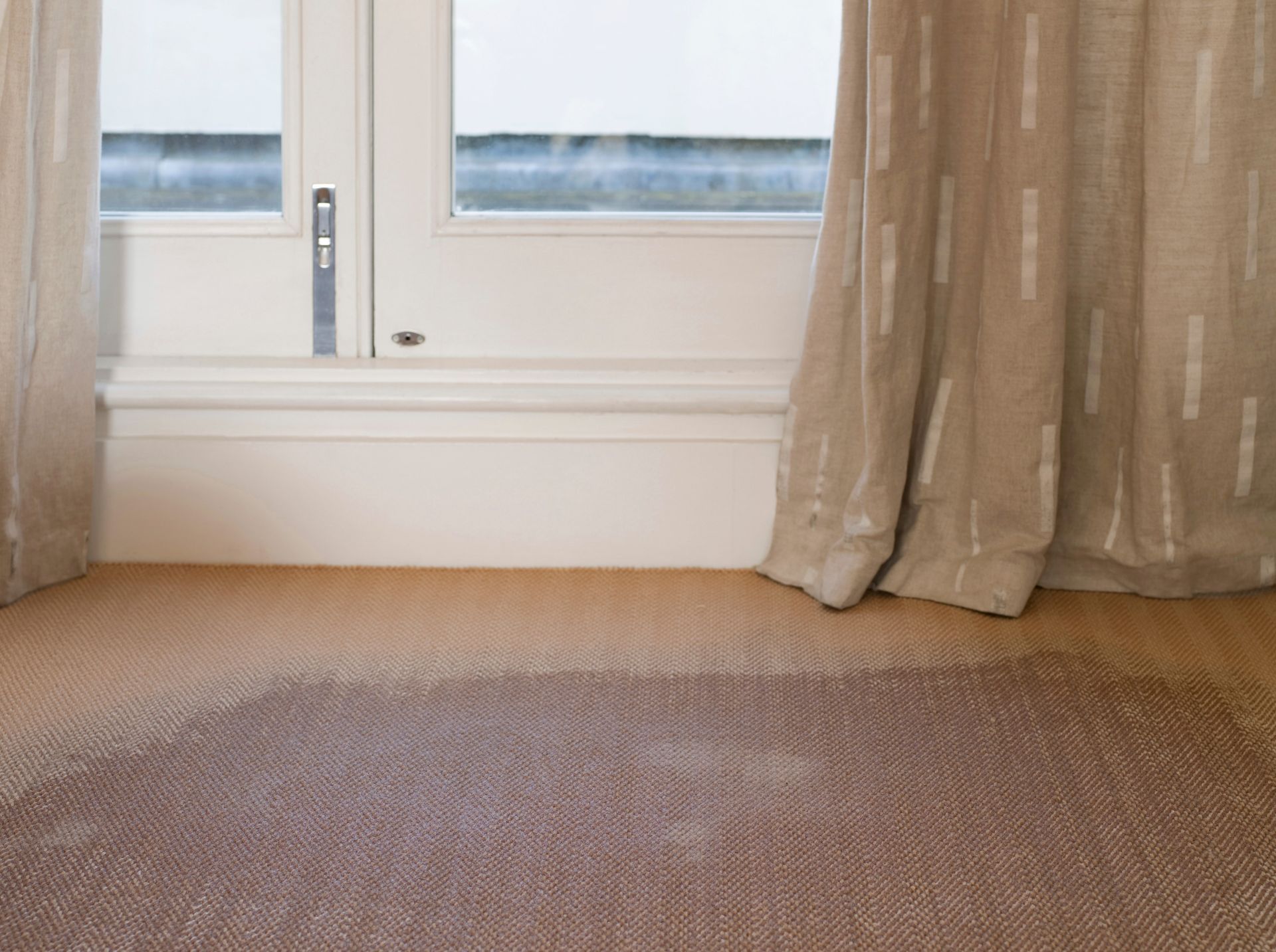
Detecting water damage early is key to minimizing its impact. One of the most noticeable signs is discoloration on walls or ceilings. These stains often appear as yellow or brown patches and may indicate a hidden leak. Even small marks should be investigated promptly to prevent further deterioration.
Unusual odors can also signal trouble. A persistent musty smell often points to mold or mildew, which thrive in damp environments. These odors commonly develop in basements, bathrooms, or areas with poor ventilation. Addressing the source of moisture quickly can prevent the problem from spreading.
Changes in flooring are another red flag. Warping, buckling, or soft spots may indicate water has seeped beneath the surface. Left untreated, this can lead to extensive damage that requires costly replacement. Regularly checking high-risk areas such as kitchens and bathrooms can help catch these issues early.
Mold growth is a clear indicator that moisture levels are too high. It can appear as dark spots on walls, ceilings, or around windows. Beyond its visual impact, mold poses health risks and should be addressed immediately. Identifying and eliminating the moisture source is essential for effective remediation.
Finally, an unexpected increase in utility bills may point to hidden leaks. A spike in water usage without a clear explanation should prompt a thorough inspection. Catching these issues early can prevent long-term damage and unnecessary expenses, especially when combined with preventative measures like foundation waterproofing.
Understanding the Impact on Structural Integrity
Water damage does more than affect surfaces; it can compromise the structural stability of your home. Over time, prolonged exposure to moisture weakens materials such as wood, drywall, and insulation. This deterioration can lead to sagging ceilings, cracked walls, and unstable flooring.
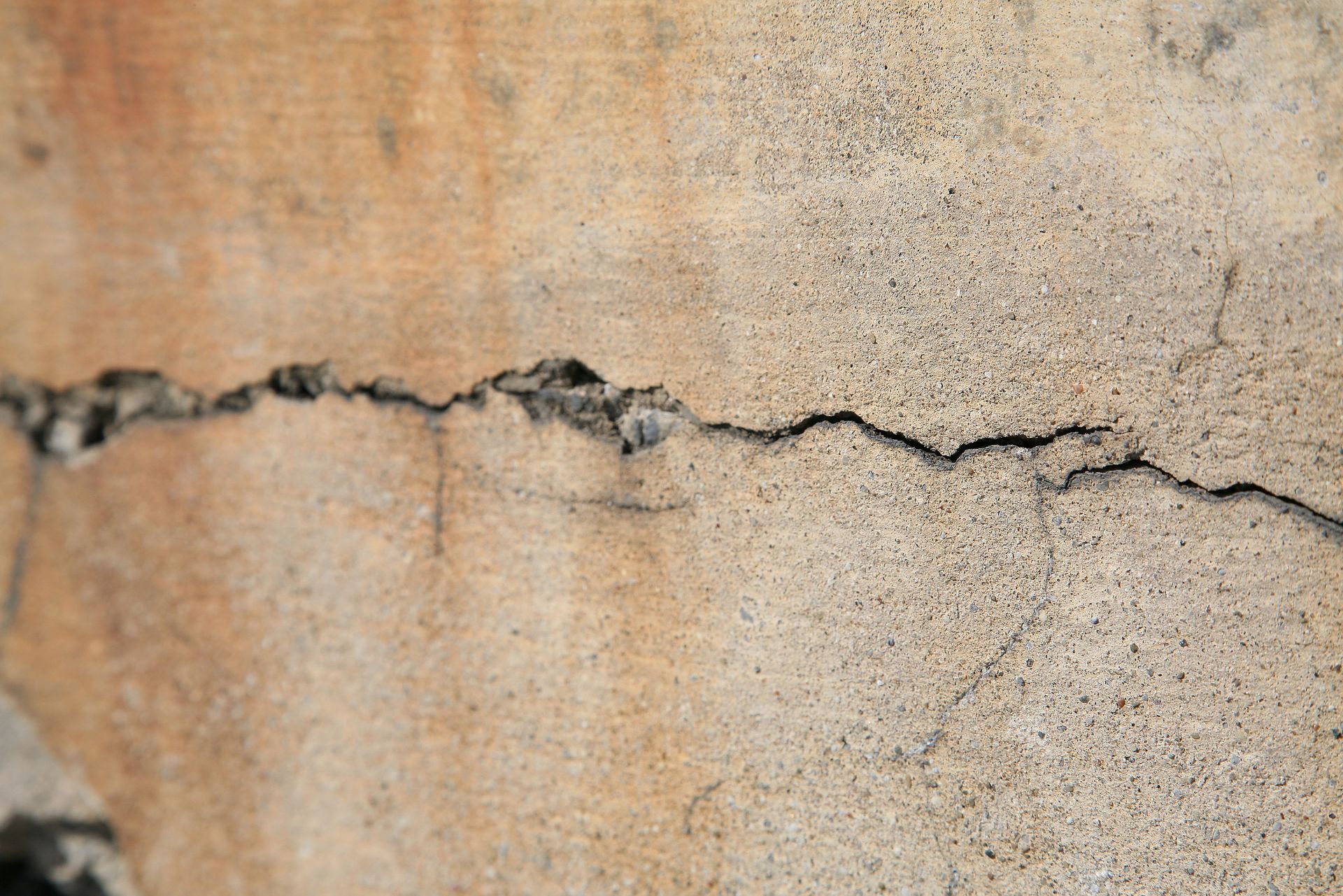
One of the most critical areas at risk is the foundation. When water accumulates around or beneath it, the pressure can cause cracks and shifting. These structural changes not only weaken the home but also create pathways for additional water intrusion. Investing in foundation waterproofing can help reinforce this area and reduce the risk of long-term structural damage.
Structural damage often progresses gradually, making it easy to overlook until it becomes severe. Regular inspections, especially after heavy storms or plumbing incidents, are essential. Identifying vulnerabilities early allows homeowners to take corrective action before repairs become extensive and costly.
In addition to physical damage, structural issues can impact the overall safety of your home. Weak flooring or ceilings can pose hazards to occupants, increasing the risk of accidents. Maintaining structural integrity is not just about preserving property value but also ensuring a safe living environment.
Educating Yourself on Health and Safety Concerns
Water damage can have serious implications for your health and well-being. Mold growth is one of the most significant concerns, as it releases spores that can trigger allergies, respiratory issues, and other health problems. Individuals with asthma or weakened immune systems are particularly vulnerable.
Excess moisture also contributes to poor indoor air quality. Damp conditions encourage the growth of bacteria and other harmful microorganisms. Over time, this can create an unhealthy living environment that affects everyone in the household.
Another safety risk involves electrical systems. When water comes into contact with wiring, outlets, or appliances, it increases the risk of short circuits and electrical fires. In severe cases, it can even lead to electrocution. Turning off power in affected areas and consulting professionals is essential when water damage occurs near electrical components.
Beyond physical health, water damage can also take an emotional toll. The stress of dealing with repairs, potential displacement, and financial strain can be overwhelming. Taking preventive measures, including foundation waterproofing, and addressing issues promptly can help reduce this burden and provide peace of mind.
Implementing Prevention and Maintenance Strategies
Preventing water damage requires a proactive approach that includes regular maintenance and smart upgrades. Routine inspections of plumbing systems, roofs, and appliances can help identify potential issues before they escalate. Addressing small problems early is always more cost-effective than dealing with major repairs later.
Proper drainage is another critical factor. Ensuring that water flows away from your home helps protect the foundation and reduces the risk of seepage. This can be achieved through grading, downspout extensions, and the installation of drainage systems.
Controlling indoor humidity is equally important. Using dehumidifiers, especially in basements and other moisture-prone areas, can prevent condensation and mold growth. Adequate ventilation in bathrooms and kitchens also helps maintain balanced moisture levels.
Investing in technology can provide an added layer of protection. Leak detection systems and automatic shut-off valves can quickly identify and respond to water issues, minimizing damage. These tools are particularly useful in areas where leaks may go unnoticed for extended periods.
Seasonal maintenance should not be overlooked. Cleaning gutters, inspecting roofs, and preparing for extreme weather conditions can significantly reduce the likelihood of water damage. Staying informed about local weather patterns and taking preventive measures ahead of time can make a substantial difference.
Water damage is a persistent threat that can affect every aspect of your home, from its appearance to its structural stability and safety. By understanding the common causes, recognizing early warning signs, and implementing effective prevention strategies, homeowners can significantly reduce their risk. Taking proactive steps such as foundation waterproofing is essential for protecting your property and preserving its long-term value.
If you suspect water damage or want to safeguard your home against future issues, now is the time to act. Contact Your Waterproofer today for professional guidance and reliable solutions, including expert
foundation waterproofing services that keep your home safe, secure, and well-protected.