June 5, 2026
Maintaining a residential structure requires vigilance, continuous oversight, and a clear understanding of how various environmental components interact with building materials. Homeowners often view the lowest level of their property as a permanent, immovable slab, but the reality is that the ground underneath is dynamic. Soil expands, contracts, shifts, and flows based on moisture levels and seasonal weather patterns. When structural issues manifest, ignoring them or applying inadequate remedies can jeopardize the structural soundness of the entire house, turning manageable adjustments into catastrophic failures. Proper upkeep requires moving past superficial observations and committing to thorough, systematic protocols that preserve structural integrity over the lifespan of the property. Proper foundation repairs can go a long way in preserving your living space.
Understanding the root cause of any structural anomaly is the first step toward implementing a successful long-term solution. Many individuals fail to realize that small indicators can point to vast systemic issues beneath the surface. When symptoms are misdiagnosed or overlooked entirely, the damage compounds silently over months and years, eventually leading to massive financial burdens. By shifting away from a reactive mindset and focusing on precision and professional expertise, property owners can protect their investments from the progressive degradation caused by shifting earth and environmental stress.
1. Inspecting Foundations Regularly
Failing to establish a routine inspection schedule is a primary error that leaves a building vulnerable to hidden deterioration. Many individuals only examine the lowest levels of their homes after noticing severe symptoms upstairs, such as sloped floors or doors that refuse to latch. By that time, the underlying structural issues have usually progressed significantly, requiring far more invasive remediation than would have been necessary if the problem had been caught early. Regular visual scans allow for the tracking of minor shifts, giving individuals the data needed to intervene with proper foundation repairs before any further work is required.
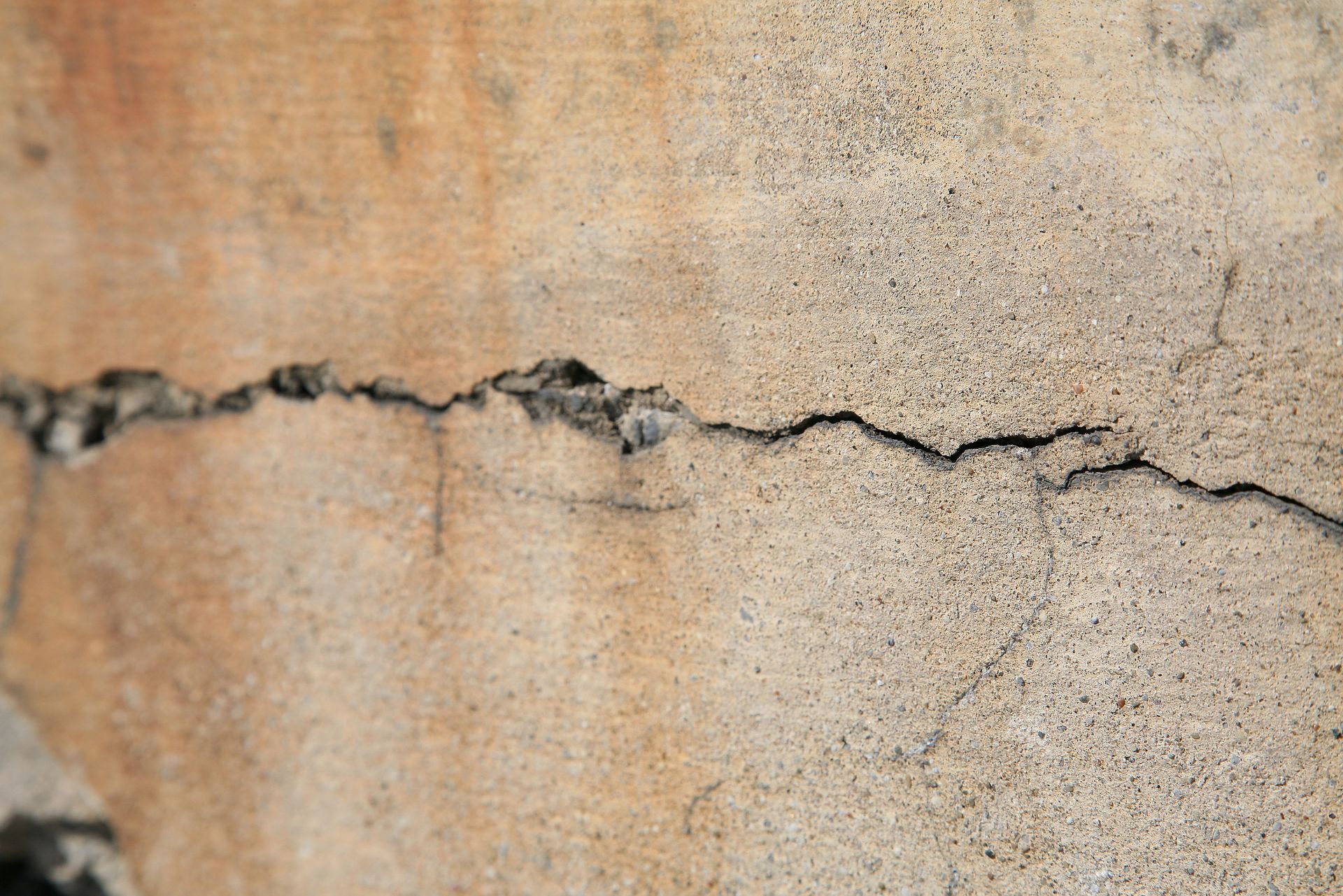
Seasonal changes can cause expansion and contraction in materials, exacerbating existing problems. Therefore, small hairline cracks under 1/8 inch, usually cosmetic, should still be monitored and sealed to prevent water intrusion, according to HomeGuide. Changes in temperature and humidity cause concrete and masonry to shift subtly throughout the year, meaning that what appears to be a static line in the spring could become a major avenue for moisture by winter. Keeping a detailed log of these minor changes ensures that any acceleration in movement is detected immediately, allowing for scheduled professional maintenance rather than emergency intervention.
2. Monitoring Environmental Shifts
The surrounding environment plays a massive role in how concrete slabs and basement walls hold up over time. Variations in precipitation, local water tables, and temperature extremes exert constant physical pressure on a home from the outside. When individuals fail to account for these external forces, they are often surprised by the sudden appearance of fissures or shifts in their walls. Understanding that the house is in a constant relationship with the surrounding soil helps in predicting when and where stress points will develop, making it easier to engage in foundation repairs.
When weather patterns shift from intense drought to heavy rainfall, the soil undergoes extreme volume changes that push and pull against concrete surfaces. Clay-heavy soils are particularly notorious for this, swelling immensely when wet and shrinking away drastically when dry, leaving sections of the concrete unsupported. Failing to track how the property behaves during these cyclical weather events leads to a total lack of preparation for the physical strain placed on the building. Recognizing these environmental cycles allows for better preventative landscape management and more timely professional assessments.
3. Analyzing Subsurface Conditions
Misinterpreting the specific causes of structural distress frequently leads to inappropriate actions that fail to solve the core dilemma. For instance, drying concrete naturally develops minor shrinkage lines as moisture evaporates during the curing process, which are fundamentally different from fractures caused by the downward movement of a settling wall. When an untrained eye confuses these two phenomena, the response is often either unnecessary panic over a harmless cosmetic line or total compliance regarding a critical structural failure.
The composition of the earth beneath the footprint of the home dictates how weight is distributed and supported. Variations in soil density, organic matter breakdown, and uncompacted fill dirt can cause different sections of a house to settle at unequal rates, creating severe sheer stress. Focusing strictly on surface-level visual anomalies without analyzing these subsurface mechanics is a major oversight. A thorough professional analysis must look beyond the concrete itself to evaluate the stability of the geological stratum supporting the entire weight of the building.
4. Verifying Professional Credentials
When structural issues are identified, selecting the right personnel to execute the remediation is a critical decision that requires deep scrutiny. Many individuals make the mistake of choosing service providers based entirely on the lowest financial estimate, without checking background qualifications or industry certifications. Cheap labor often relies on insufficient techniques that merely cover up symptoms rather than stabilizing the actual load-bearing elements of the property. This short-sighted saving strategy almost always results in recurring damage and double the long-term expenditure.
A qualified specialist must possess verifiable experience, specific engineering knowledge, and appropriate liability insurance to perform complex structural adjustments safely. Skipping the verification of references and formal credentials leaves the property owner exposed to substandard craftsmanship that could worsen the stability of the house. Establishing clear, legally binding paperwork that outlines the scope of work, methodology, and warranty terms is essential before any physical labor begins on the property. Taking the time to validate expertise ensures that the structural alterations will withstand future environmental pressures.
5. Controlling Moisture Runoff
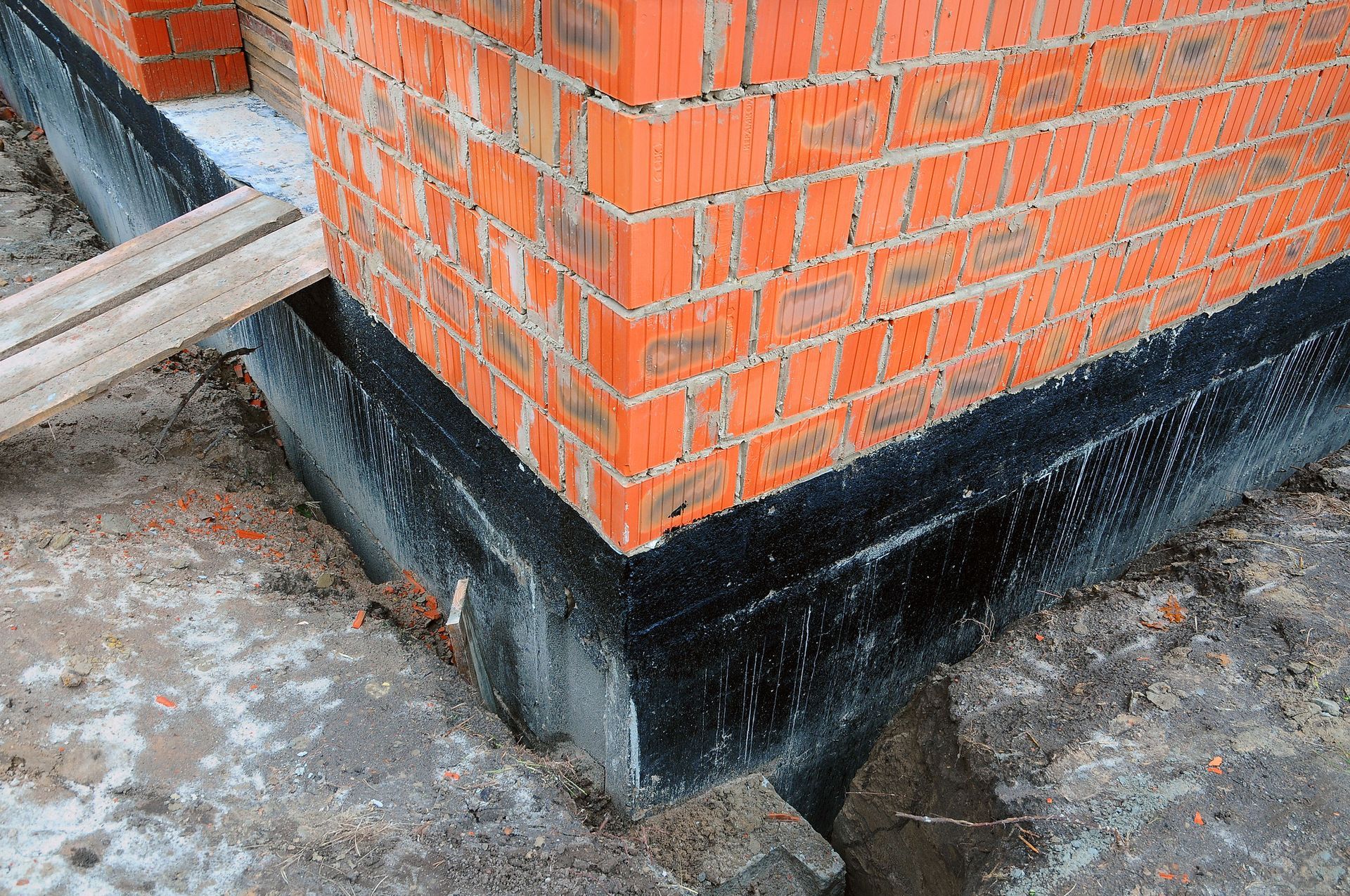
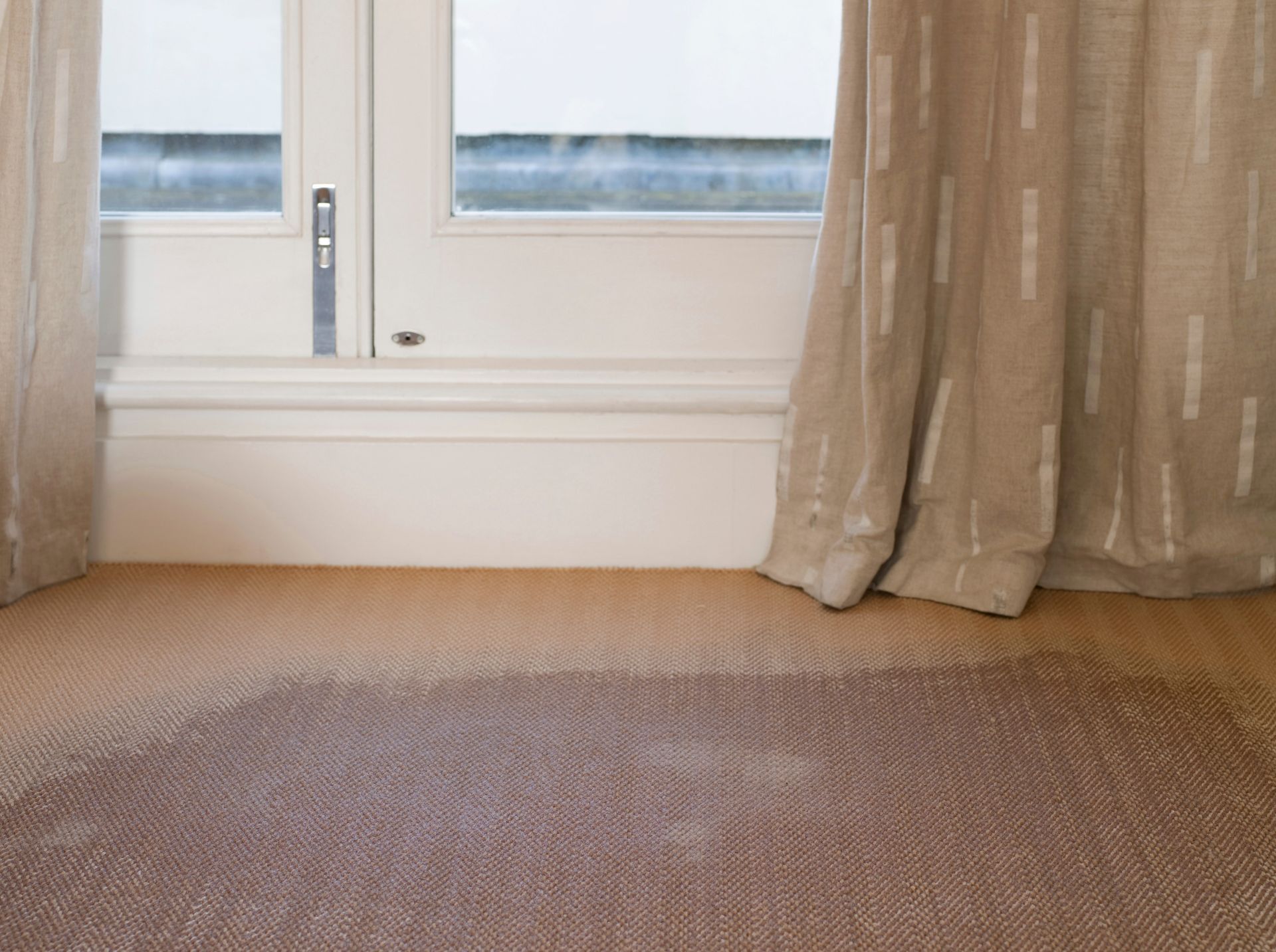
The management of water around the perimeter of a structure is perhaps the most influential factor in preventing structural degradation. Clogged gutters, broken downspouts, and improper ground sloping allow immense volumes of rainwater to saturate the soil immediately adjacent to the walls. This excessive moisture exerts hydrostatic pressure against the concrete, pushing inward with immense force and finding even the microscopic pathways into the interior.
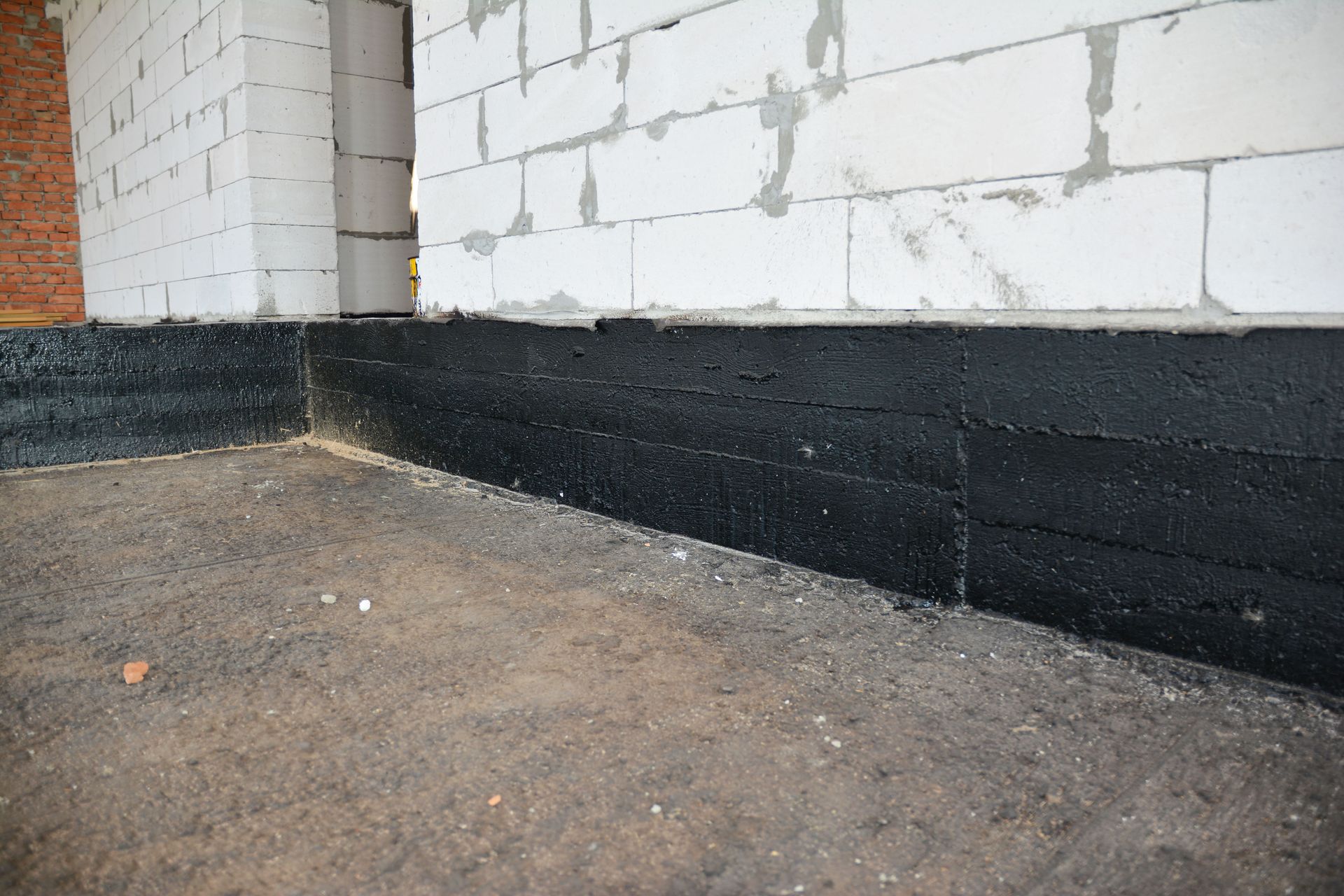
Overlooking the impact of roof runoff and poor yard drainage creates an environment where structural failures are practically inevitable. When soil becomes oversaturated, it loses its load-bearing capacity, causing the heavy concrete above it to sink and shift unevenly. Correcting the pitch of the dirt so that it slopes away from the house and ensuring that gutters transport water far from the perimeter are vital practices. Managing these water pathways with proper foundation repairs keeps the surrounding soil at a stable moisture level, drastically reducing the physical stress applied to the lowermost concrete elements.
Maintaining structural integrity requires a comprehensive understanding of environmental forces, soil mechanics, and professional execution. Attempting to address these complex issues without expert guidance or utilizing temporary surface alterations will only allow the underlying instability to worsen. Property owners must commit to thorough inspections and prioritize sustainable, professional solutions that address the root causes of movement. By managing drainage, vetting contractors diligently, and monitoring environmental impacts, the long-term stability of the building can be successfully preserved.
When structural anomalies appear, securing an accurate diagnostic evaluation from qualified experts is the only reliable way forward. Postponing an official assessment or relying on guesswork will inevitably lead to escalated damage, compromised safety, and depreciated property value. For comprehensive assessments and permanent foundation repairs that secure the structural future of your home, contact Your Waterproofer today to schedule a consultation with our experienced structural specialists.