

How to Ensure Long-Lasting Foundation Waterproofing
When it comes to protecting your home, few things are as essential as proper foundation waterproofing. A well-executed waterproofing system safeguards your basement or crawlspace from moisture intrusion, extends the lifespan of your foundation, and preserves the structural integrity of your home, preventing costly repairs and long-term damage. At Your Waterproofer, we understand that foundation waterproofing isn't a one-time project but an ongoing commitment to maintaining a safe, dry, and durable home.
Plan for Effective Water Drainage
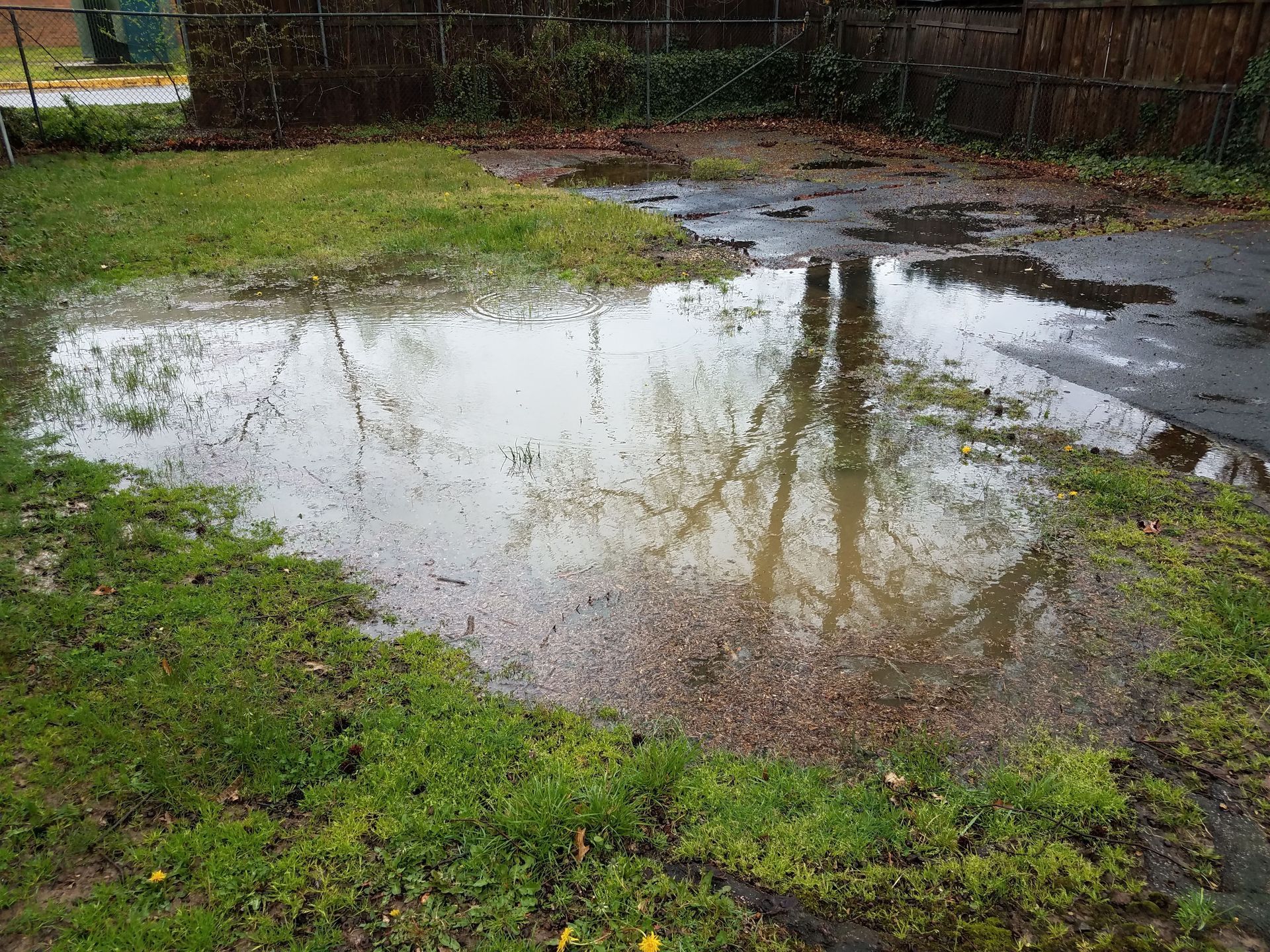
The first step in achieving long-term foundation waterproofing begins before any sealant is applied and revolves around controlling how water interacts with your home. Water pooling near the foundation can cause hydrostatic pressure, which over time may lead to leaks and cracks. Ensuring the ground slopes away from the foundation is critical. This gentle slope allows rainwater to flow outward rather than collect against your home.
In addition to grading, gutters and downspouts play a crucial role in directing roof water away from the foundation. Downspouts should extend several feet from the house, ensuring water doesn't saturate the surrounding soil. In areas with heavy rainfall or high water tables, exterior drainage systems, such as French drains or perimeter drains, provide extra protection by channeling groundwater safely away. Proper drainage reduces the pressure on your waterproofing system, allowing it to perform more effectively and last longer.
Maintain Thoughtful Landscaping
Landscaping can significantly impact the effectiveness of foundation waterproofing over time. Shifting soil, new plants, or changes in grading can undermine even the most well-installed waterproofing system. Monitoring soil movement around the foundation and correcting grading when necessary helps prevent water from pooling near the house. Homeowners should choose foundation plants carefully. According to This Old House, you should choose foundation plants that will grow no closer than one to two feet from the house, ensuring that irrigation water stays clear of the foundation and protecting exterior walls from moisture damage.
Irrigation systems must also be positioned thoughtfully to avoid directing water toward the foundation. Even small amounts of water from sprinklers or drip systems can accumulate over time, creating pressure against foundation walls and reducing the effectiveness of waterproofing. Consistently monitoring landscaping and maintaining a proper distance between plants and the foundation reinforces the protective barrier your waterproofing system provides.
Protect With Professional Sealants
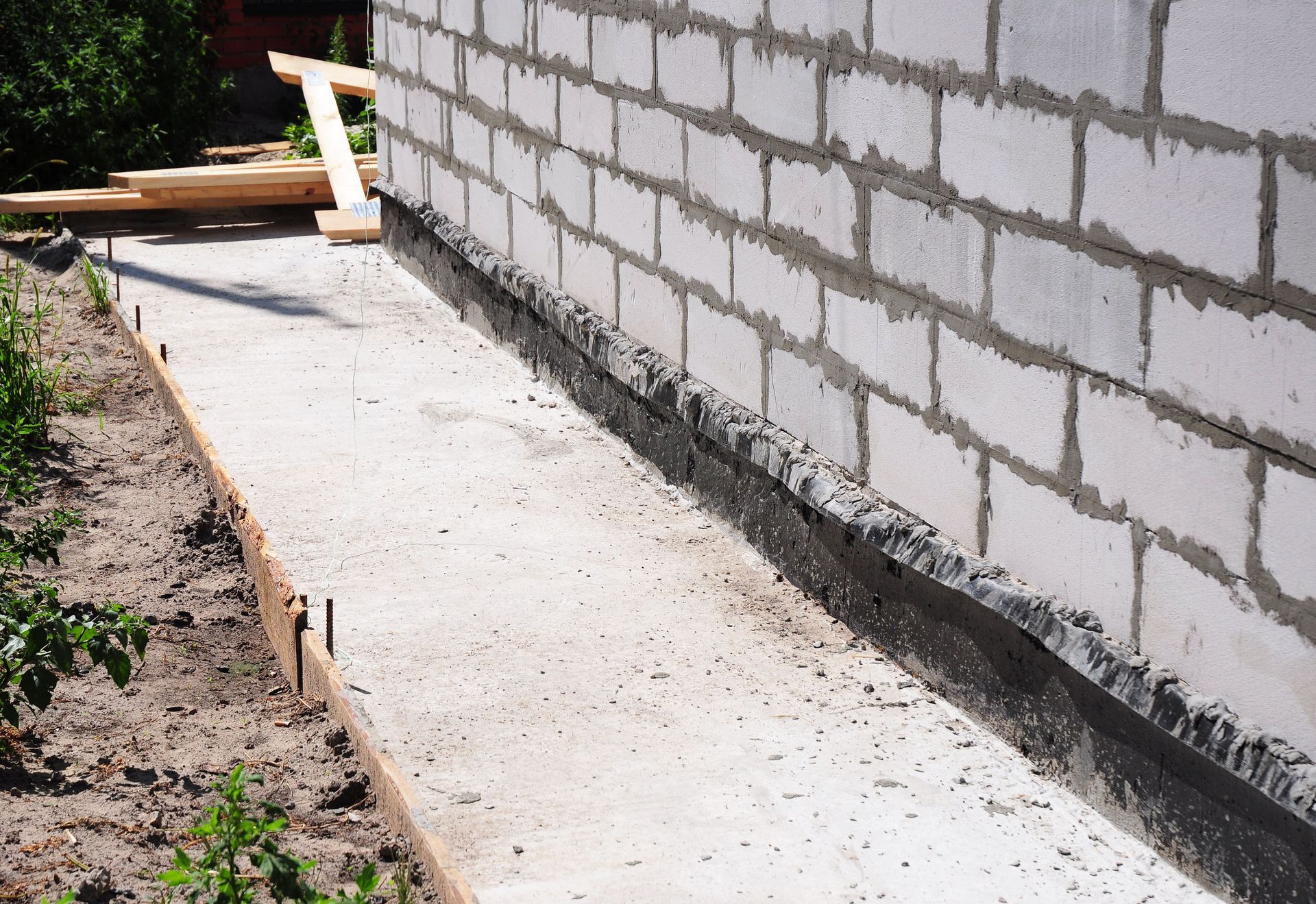
After establishing effective drainage and thoughtful landscaping, the next step in ensuring long-lasting foundation waterproofing is applying high-quality sealants or coatings. Exterior waterproofing is the primary barrier against moisture and requires professional-grade materials to perform optimally. Sealants designed for below-grade foundations, such as bituminous coatings, cementitious sealers, or elastomeric membranes, provide long-lasting resistance against water intrusion. Homeowners should avoid interior-only paints or damp-proofing solutions, as these are insufficient for true waterproofing.
Preparation is key to a successful application. The foundation surface must be clean, dry, and free of debris, and any cracks or gaps should be repaired before applying a waterproof coating. Professionals at Your Waterproofer ensure thorough surface preparation to maximize adhesion and durability. Over time, even the best coatings can wear down due to soil movement, settling, or natural aging. Regular inspections and reapplication of coatings as needed can maintain the effectiveness of your foundation waterproofing system for decades.
Install Reliable Interior Systems
While exterior waterproofing is the first line of defense, interior systems provide critical backup protection, especially in areas with high humidity or high water tables. Interior drainage channels, perimeter drains, and sump pumps work together to manage any water that manages to infiltrate the foundation. These systems ensure water is collected and directed away from the basement or crawlspace, preventing accumulation and potential damage.
A sump pump with a battery backup is an essential addition to any interior waterproofing system, offering protection during power outages, which often coincide with storms when pumps are needed most. Vapor barriers on basement floors and walls can further reduce moisture infiltration, particularly in unfinished basements and crawl spaces. When paired with exterior waterproofing, interior systems create a comprehensive approach that significantly extends the life and effectiveness of your foundation waterproofing.
Perform Routine Inspections
Even a well-installed foundation waterproofing system requires ongoing monitoring to remain effective. Regular inspections allow homeowners to catch minor issues before they escalate into costly repairs. Interior walls, floors, and finished areas should be checked for damp spots, discoloration, musty odors, or efflorescence.
Exterior inspections are equally important. Soil erosion, pooling water near the foundation, and damage to exterior finishes can all signal underlying issues with drainage or waterproofing. Sump pumps should be tested periodically to ensure they're functioning correctly, and worn or outdated pumps should be replaced promptly. Early detection of cracks, leaks, or coating deterioration allows for timely repairs, helping maintain the integrity and longevity of your foundation waterproofing system.
Adapt to Conditions
Seasonal changes and local climate patterns can greatly influence the performance of foundation waterproofing. Before heavy rainfall or snowmelt, gutters and downspouts should be cleared of debris, and the grading should be checked to ensure water will flow away from the foundation. During freeze-thaw cycles, soil can shift, causing cracks or gaps to appear in the foundation. Inspecting and sealing these areas promptly can prevent moisture from compromising your waterproofing.
Prolonged dry periods can also affect soil stability. Soil may shrink and pull away from the foundation, only to rebound during rains, creating uneven pressure on exterior coatings. Humid conditions inside basements or crawl spaces can cause condensation on foundation walls, reducing the effectiveness of interior waterproofing. Adapting maintenance routines to seasonal changes helps ensure your foundation waterproofing remains durable and effective year-round.
Reinforce Waterproofing With Homeowner Practices
In addition to professional installation and regular maintenance, homeowners play a significant role in preserving foundation waterproofing. Keeping gutters and downspouts clear and extending them away from the foundation prevents water from pooling near your home. Maintaining proper ventilation in basements and crawl spaces reduces indoor humidity, preventing condensation on foundation walls.
Avoiding high-pressure washing near the base of the house also protects waterproof coatings from potential damage. Landscaping changes, additions of garden beds, patios, or hardscapes should be planned to maintain proper drainage patterns, ensuring that water continues to flow away from the foundation. These consistent habits complement professional waterproofing work and extend its effectiveness.
Expect Long-Term Benefits
Investing in proper foundation waterproofing delivers long-term advantages that extend beyond keeping your basement dry. It protects your home from flooding, water damage, and mold growth, contributing to a healthier indoor environment and reducing costly repairs over time. Dry foundations resist shifting and cracking, preserving the structural integrity of your home and supporting the longevity of other structural components.
Furthermore, prospective buyers recognize the value of a well-maintained, waterproofed foundation, which can enhance resale potential and increase overall property appeal. Homeowners who commit to professional waterproofing, thoughtful landscaping, seasonal maintenance, and consistent monitoring enjoy decades of protection, comfort, and peace of mind.
Ensuring long-lasting foundation waterproofing requires a combination of strategic planning, professional installation, seasonal maintenance, and smart homeowner practices. From proper grading and drainage to high-quality sealants, interior drainage systems, and proactive inspections, every step reinforces the effectiveness of your waterproofing system. At Your Waterproofer, we specialize in delivering comprehensive, long-lasting foundation waterproofing solutions tailored to your home's specific needs. Contact us today to schedule a full assessment and safeguard your home with proven, reliable protection.

Share On: