

What to Expect From Yard Drainage Services
In this article, we will explore what you can expect from yard drainage services, covering common questions and topics that homeowners have about the process, benefits, and options available. Understanding these services is important for maintaining both the functionality and aesthetics of your property, as well as preventing potential water-related issues.
Understand the Basics of Yard Drainage Services
Clarify the Definition and Purpose of Effective Drainage
Drainage services involve the assessment and installation of systems designed to redirect excess water away from residential properties. The primary objective is to prevent water accumulation that could lead to structural damage or deterioration of landscaping. Proper drainage ensures that your outdoor spaces remain safe, dry, and functional throughout the year.
These services can include surface management techniques as well as subsurface solutions tailored to the specific needs of your yard. A well-planned drainage system maintains dryness while preventing unwanted puddles or flooding in low-lying areas. Homeowners can enjoy a healthier, more resilient landscape when water is managed effectively.
Ultimately, drainage services aim to create a balanced ecosystem in your garden, ensuring that plants receive adequate moisture without being waterlogged. Maintaining this balance is crucial for the long-term health of both your landscape and your home.
Explain the Importance of Proper Yard Drainage
Homeowners need drainage services to safeguard their properties from the damage that unmanaged water runoff can cause. Without a proper drainage system, excess water can lead to basement flooding, soil erosion, or foundation damage over time. Addressing drainage issues proactively helps prevent costly repairs and extends the life of your home’s exterior and landscaping.
Additionally, investing in drainage supports the health of plants and landscaping, reducing the chances of water-related stress and deterioration. Good drainage practices also contribute to the visual appeal of your property, maintaining clean, functional, and safe outdoor spaces.
Master the Process of Yard Drainage
Illustrate the Basic Principles of Efficient Drainage Systems
Drainage systems operate on the principle of gravity, using sloped surfaces to direct excess water away from areas where it can cause damage. Properly installed systems ensure water flows to designated drains or safe areas, preventing pooling and minimizing risk to your property. Understanding these principles is the foundation of effective drainage solutions.
Two main types of systems exist: surface drainage and subsurface drainage. Surface systems address water on the ground, while subsurface systems manage groundwater through underground drainage pipes. Using a combination of these approaches provides a comprehensive solution for water management and long-term landscape protection.
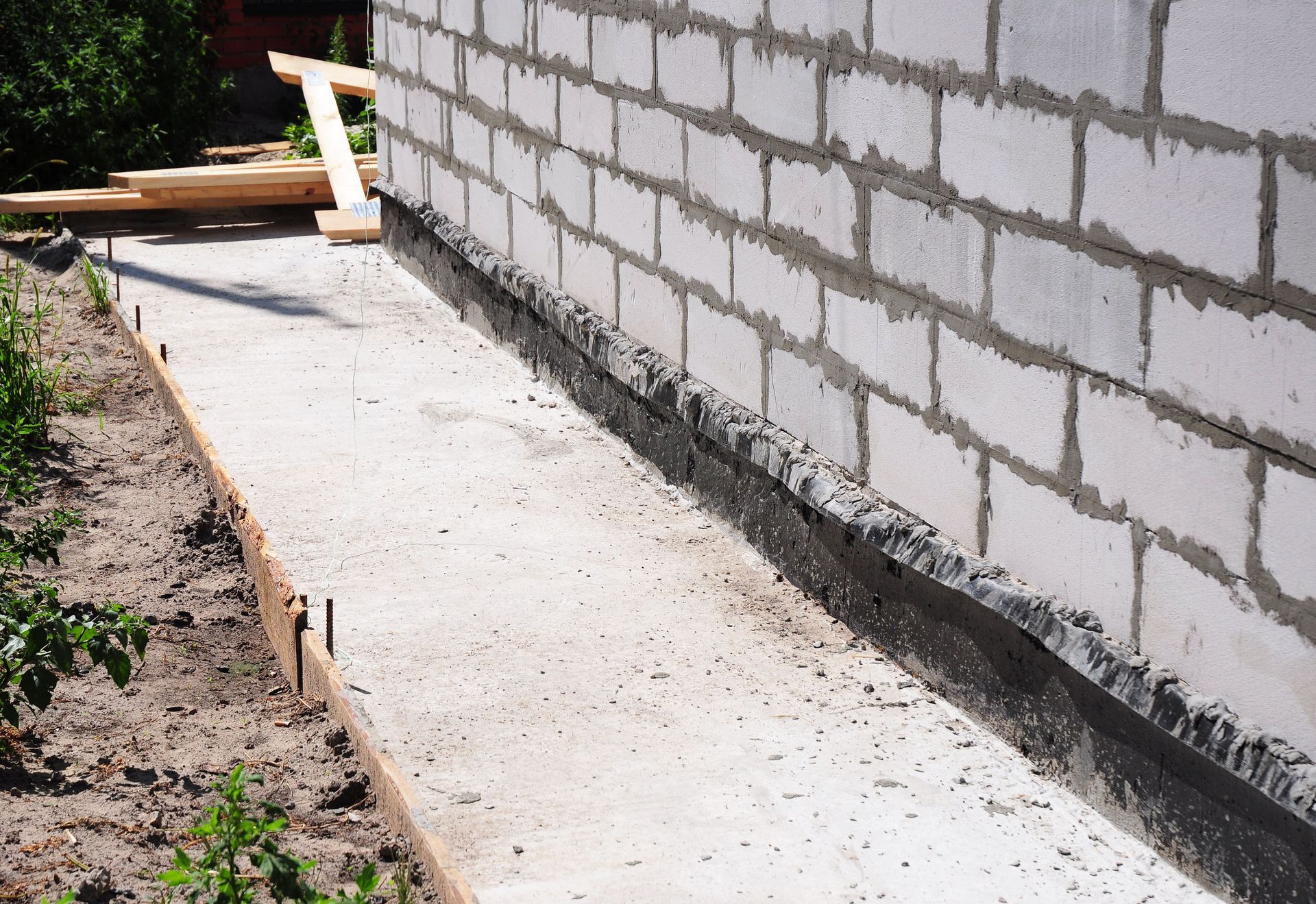
According to This Old House, ensure that the ground around your home slopes away from the foundation, with at least six inches of fall in the first 10 feet. This simple adjustment is a critical step in maintaining effective drainage and preventing damage to your home’s structure and landscaping.
Describe the Key Components of a Functional Yard Drainage System
An effective drainage system typically consists of several essential components, including pipes, trenches, catch basins, and drainage ditches. These elements work together to collect and redirect water efficiently, ensuring your property remains dry even during heavy rainfall.
Pipes transport water from one area to another, while trenches serve as channels that guide water away from vulnerable spots. Catch basins capture debris and prevent clogs, maintaining optimal system performance. When properly installed and maintained, these components significantly reduce the risk of water-related issues and help protect your property.
Explore the Options of Drainage Solutions
Detail Surface Drainage Solutions for Optimal Water Management
Surface drainage solutions include methods such as French drains, surface grading, and gutters that manage water runoff efficiently. These systems help redirect water flow, preventing accumulation in low-lying areas and protecting both your landscaping and home.
French drains use perforated pipes buried in gravel to collect and channel water away from flood-prone areas. Surface grading involves adjusting the slope of your landscape to ensure water naturally flows away from your home. Choosing the appropriate surface solution depends on your property’s layout and the severity of drainage challenges.
Explain Subsurface Drainage Solutions for Groundwater Control
Subsurface drainage solutions focus on managing groundwater through underground drainage pipes that redirect excess water away from critical areas, such as basements or low-lying sections of the yard. Properly installed subsurface systems help maintain a dry environment, preserving the integrity of your home’s foundation and exterior features.
Many properties benefit from combining surface and subsurface solutions to achieve optimal drainage results. A well-coordinated system addresses both visible surface water and hidden groundwater concerns, ensuring comprehensive protection for your property.
Evaluate the Considerations of Drainage Costs
Examine the Factors Influencing Cost Variability
The cost of drainage services can vary widely based on several factors, including yard size, system complexity, and the specific drainage needs of the property. Homeowners should consult with a professional to receive an accurate estimate that reflects their unique situation. Considering these factors in advance helps ensure your drainage investment is both effective and tailored to your needs.
Choose a Yard Drainage Professional Effectively
Highlight Qualities to Evaluate in Experienced Contractors
When selecting a drainage professional, it is important to prioritize experience and a proven track record in the field. Professionals should be able to provide examples of completed projects similar to your property and demonstrate knowledge of effective drainage techniques. Effective communication is also critical, as it allows homeowners to understand recommended solutions and the installation process fully.
Formulate Questions to Ask During Professional Consultations
During consultations, ask targeted questions to evaluate a contractor’s expertise and suitability for your drainage needs. Discuss the types of materials recommended for installations, as well as potential challenges and how they would be addressed. Clear answers provide insight into the professional’s problem-solving abilities and ensure you select a provider who meets your property’s requirements.
Maintain Yard Drainage Systems Properly
Outline Regular Maintenance Practices for Longevity
Maintaining a drainage system involves regular inspections and cleaning to ensure proper function. Homeowners should remove debris from surface drains and gutters, check for signs of erosion or damage, and perform seasonal evaluations before periods of heavy rainfall. Consistent care ensures longevity and efficient operation of the drainage system.
Address Common Problems and Provide Practical Solutions
Common issues with drainage systems include clogged pipes, pooling water, and underperforming drains. Homeowners should monitor for stagnant water or overly saturated areas that indicate potential problems. Promptly addressing clogs or pooling through cleaning or professional servicing prevents further damage and maintains the effectiveness of the drainage system.
Identify the Signs of Yard Drainage Issues
List Common Indicators of Poor Drainage
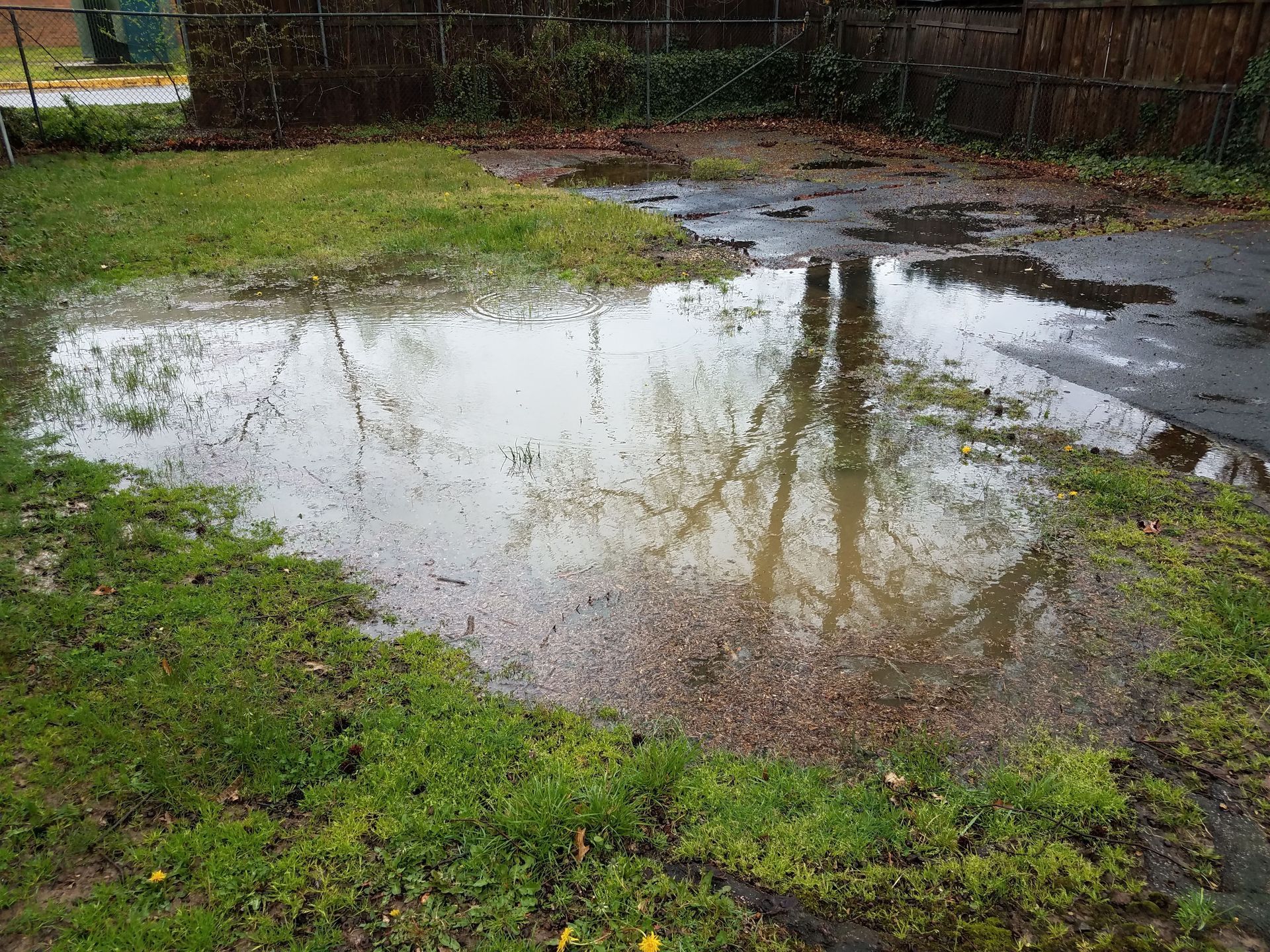
Several physical signs indicate the need for drainage services, including persistent wet spots in your lawn, water pooling after rain, and cracks in your foundation or basement dampness. Identifying these issues early allows homeowners to address drainage problems before they escalate into larger, more expensive concerns. Maintaining vigilance over these indicators is essential for property protection.
Consider Seasonal Factors Affecting Drainage Performance
Seasonal changes can greatly affect drainage needs, particularly during heavy rainfall or snowmelt. Homeowners should monitor weather patterns and inspect areas prone to water accumulation. Proactive attention to seasonal variations ensures timely interventions and helps keep your property dry and safe throughout the year.
Understanding drainage services is key to keeping your home and landscape in top condition. By knowing what to expect and how to approach solutions, homeowners can effectively manage water runoff. To explore reliable yard drainage options, learn more with Your Waterproofer, where our expertise ensures effective solutions for every property.

Share On: