

WHAT WE DO
Additional Waterproofing Services - Retaining Wall | Patio | Driveway
Stop Standing Water Before It Damages Your Yard or Foundation
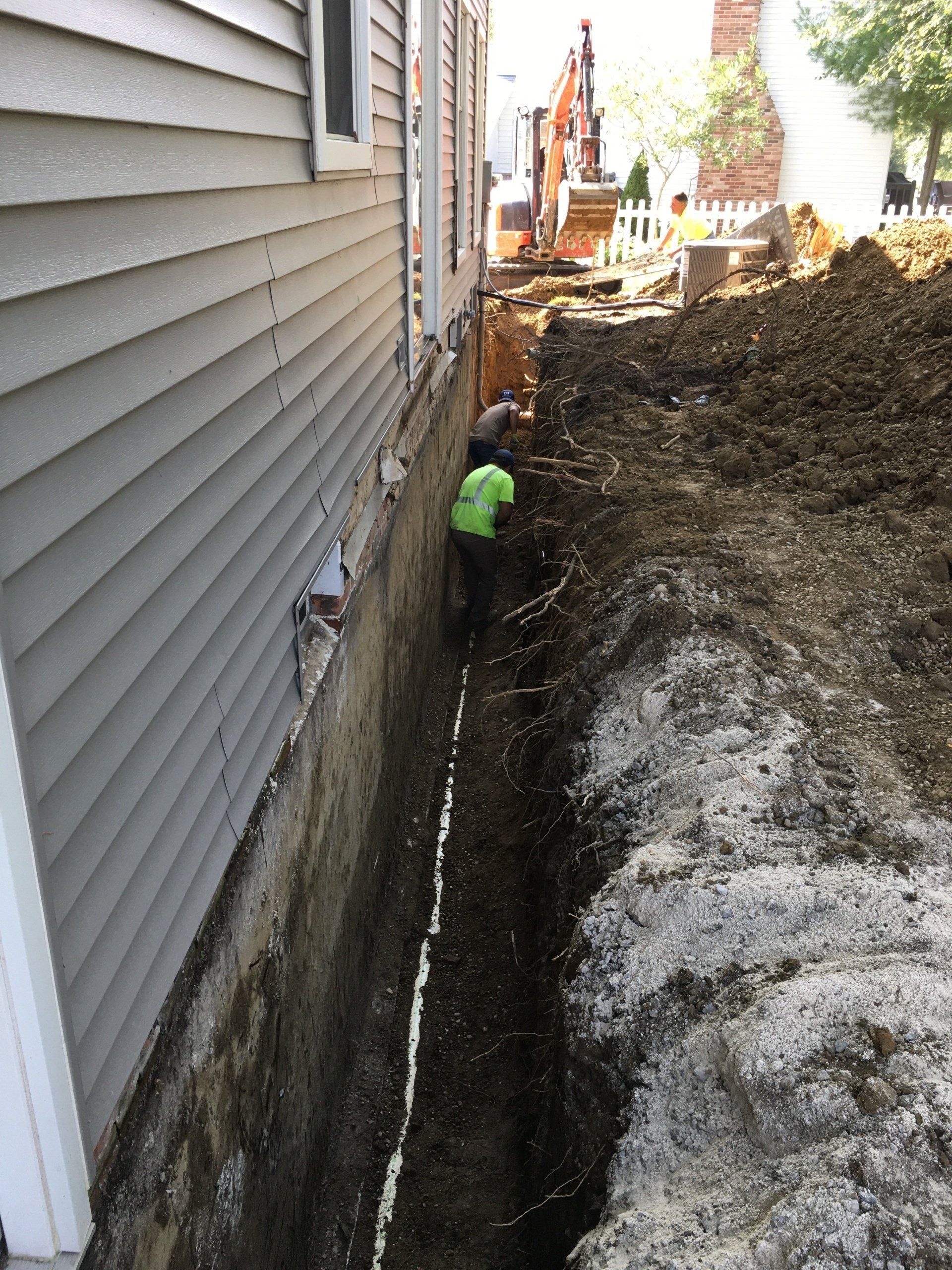
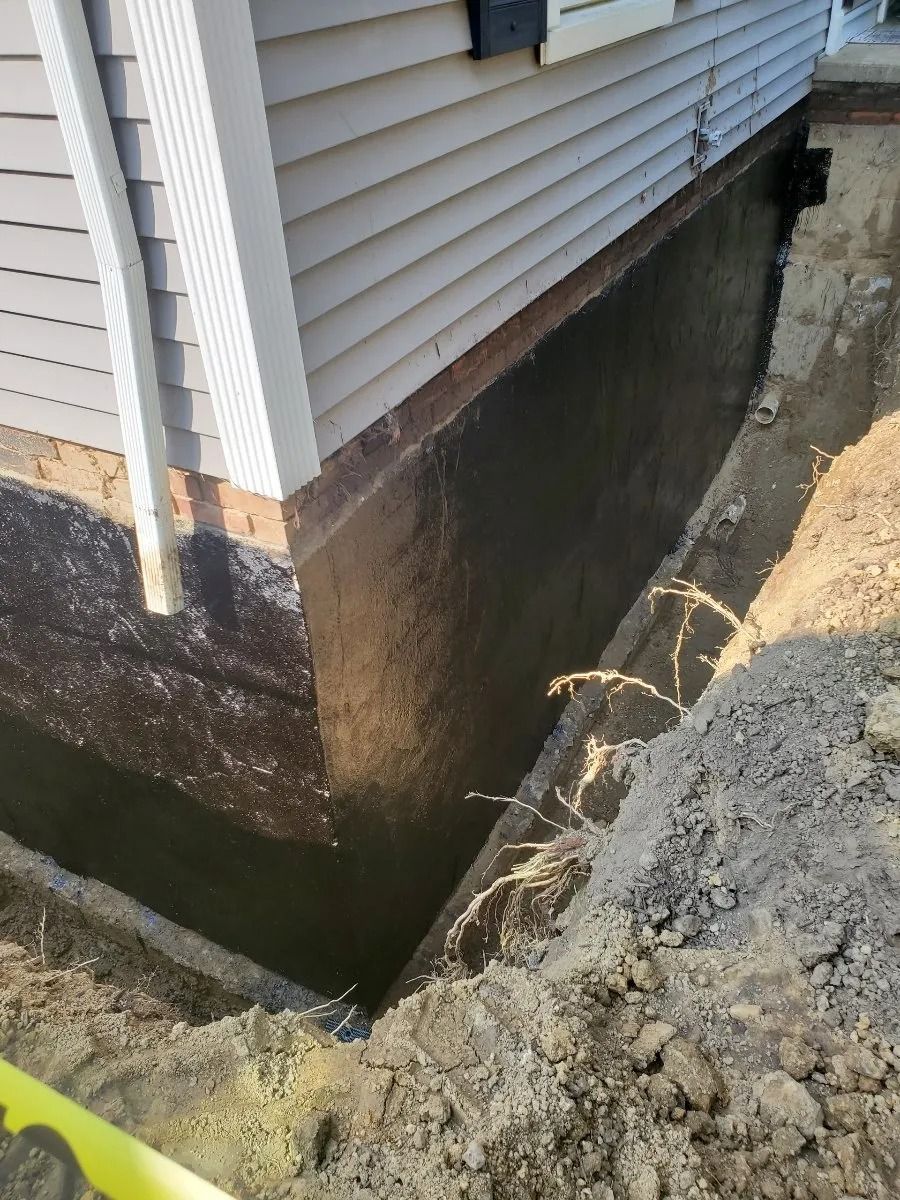
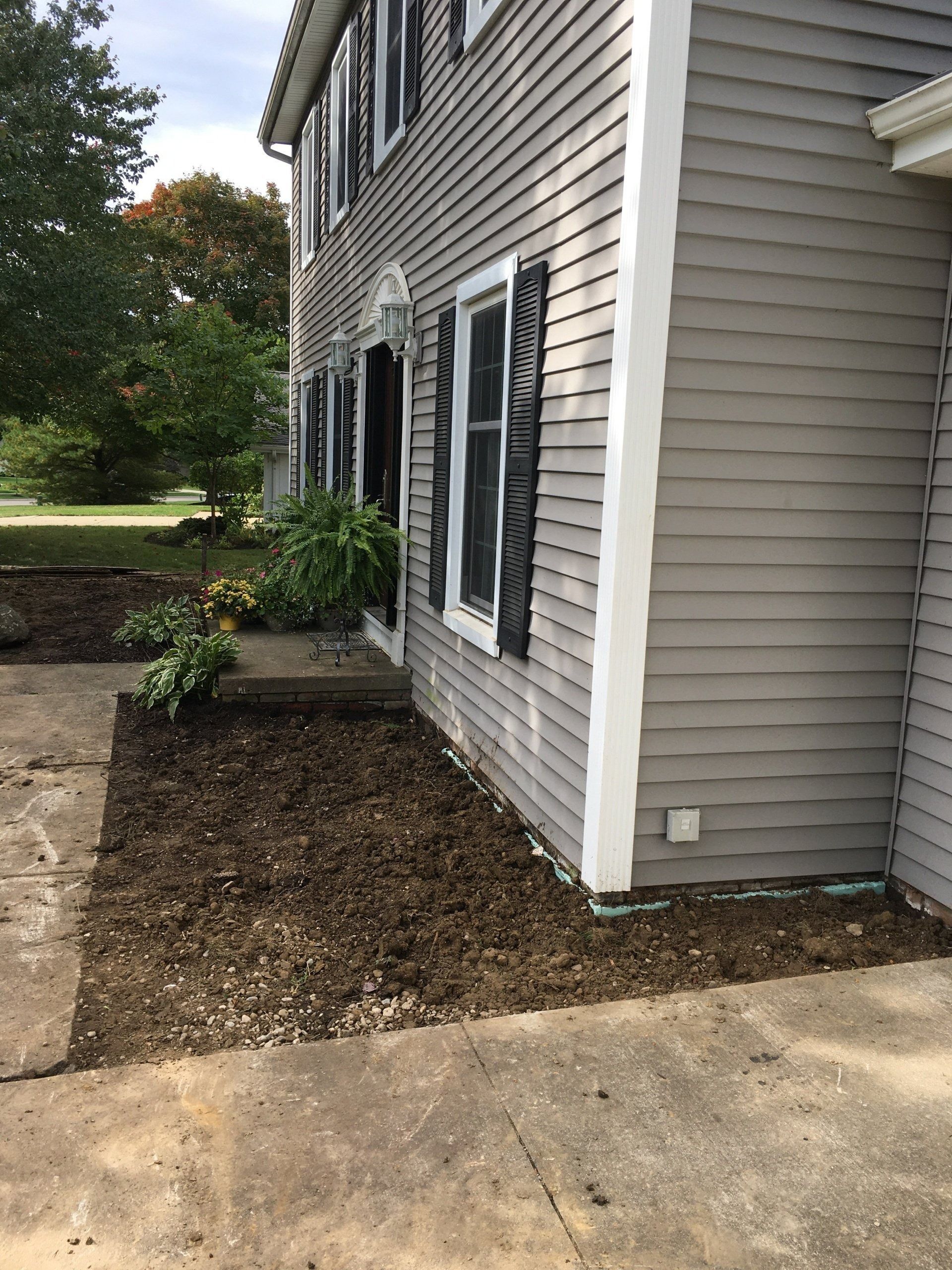

Excess water that collects in your yard rarely stays put. It moves toward the lowest point on the property. Around many homes, that point sits close to the foundation. Over time, that movement wears away the soil that keeps your home stable and dry. That is why many Cleveland homeowners look into drainage solutions before the problem grows into something larger.
Your Waterproofer starts by looking at where that water actually originates before recommending a fix. That source often comes down to grading, soil type, or how close the ground sits to your foundation. Those factors decide how water moves around your home, and they're different for every yard.
That's why every plan we design starts with what's happening on your property. It's the difference between a quick patch and a permanent solution.
Signs Your Yard or Foundation Needs Drainage Help
Not every wet yard signals the same problem. A few patterns show up again and again when a property lacks proper drainage. If any of these sound familiar, an assessment can pinpoint what's happening on your property:
| Standing Water After Rain — Water that pools in the same spot for hours after a storm usually means the ground can't drain fast enough on its own. |
| Soggy or Eroding Yard Areas — A muddy yard that never fully dries often points to soil that stays saturated well below the surface. |
| Water Pooling Near the Foundation — Water sitting against the foundation wall puts steady pressure on it, even before any cracks show up. |
| Damp or Musty Basement Walls — Moisture appearing inside often traces back to water finding its way in from outside first. |
| A Yard That Slopes Toward the House — A property that slopes toward the foundation instead of away from it sends runoff exactly where it shouldn't go. |
Why Spring Hits Cleveland Yards So Hard
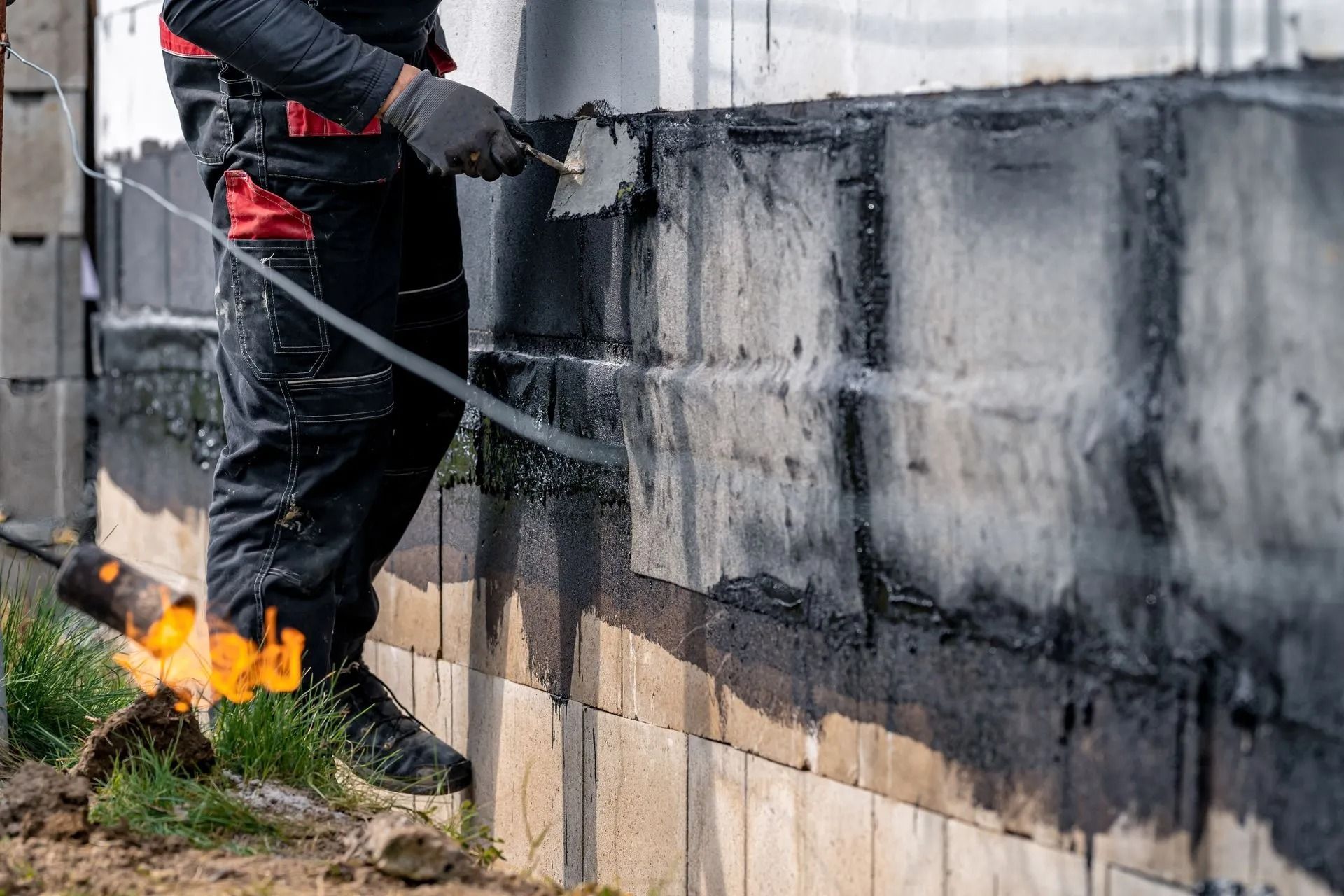
Every winter, the ground beneath Cleveland yards freezes and thaws again and again. That cycle compacts the clay soil that dominates this part of Northeast Ohio, leaving it denser by the time spring arrives than it was the previous fall.
Clay already absorbs water slowly compared to sandier soil, and compacted soil slows it down even further. A gutter system that empties too close to the house adds even more water on top of that.
One recent spring showed exactly what that combination can do. Cleveland saw nearly 13 inches of rain across March, April, and May, among its wettest stretches in years. On a flat lot with nowhere for water to run off, that much rain arriving on already-compacted clay is what turns a yard into standing water for days at a time.
Our Drainage Services
Cleveland yards send water toward the foundation for different reasons, so the fix isn't always the same. What many homeowners simply call a yard drain can mean several different systems.
Here's what you can expect from us, matched to your yard's particular situation:
French Drain Installation
Trench depth and pipe size depend on how much water your yard needs to move. We size each French drain around that specific number. Our crew digs along the path water already follows, so the system works with your yard's natural flow. A catch basin gets added wherever surface water needs an entry point before it goes underground. Surface pooling sometimes calls for trench drains instead, and we'll recommend that when it fits.
Water Redirection Away From the Foundation
Some yards don't need pipe at all. The slope itself is the problem. When that's the case, we regrade the yard so water runs away from the house instead of toward it. We adjust the grade gradually enough that it still looks like a normal yard when we're done. If foundation movement has already occurred, our foundation repair team handles that separately.
Keeping water away from the foundation is also the first line of defense for basement waterproofing. Our full range of waterproofing services covers what to do once water has already found a way in.
Downspout Extension and Burial
Downspouts that release water a foot from your house often send it right back toward the foundation. We extend and bury that line, routing around any trees, patios, or garden beds along the way. Rain barrels can help during light rain, but they fill up fast once a storm gets heavy. Burying the line keeps working no matter how much falls.
Dry Well Installation
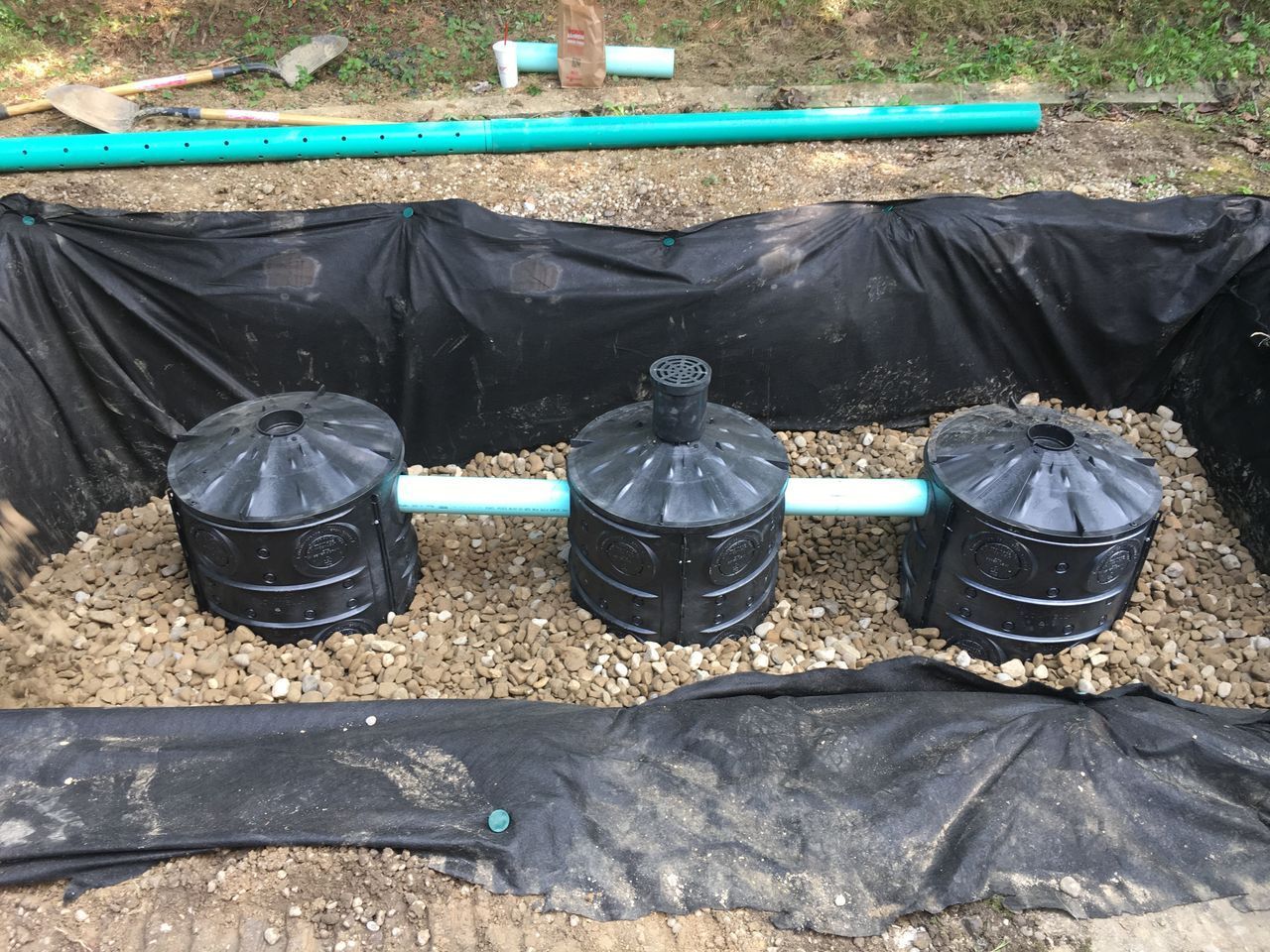
A yard that floods heavily after every storm needs more capacity than a French drain alone can move. In those cases, we'll build a dry well. It's a buried structure that holds the water underground and lets it soak into the soil gradually. Sizing that structure to the right capacity is what keeps it from overflowing during the next big storm.
why choose us
Why Cleveland Homeowners Trust Our Drainage Team
Digging into your yard is no small thing, so the crew doing it should be one you trust. Here's what to expect from the waterproofing services Greater Cleveland homeowners already trust for drainage work.
We Recommend the Fix Your Yard Needs
If a smaller repair fixes it, that's what we recommend, even if a bigger job pays more. That's true whether the fix is a downspout extension or a full drainage system.
Every Crew Meets the Same Standard
Every job reflects Your Waterproofer, no matter who's on site. We hold each installation to the same standard we would set for ourselves.
Serving Greater Cleveland Since 2013
We've installed drainage systems for homeowners across Cuyahoga County since our founding. That much time in the field shows what holds up and what fails within a season or two.
We Stand Behind the Work
If a fix doesn't hold, we come back and make it right, no deflection, no excuses.
Our Credentials
We’re proudly a BBB member. We’re also bonded through Merchants Bonding Company and fully insured with general liability and workers' compensation coverage.
A Real Job
How We Fix a Drainage Problem, Step by Step
Here's what a typical drainage job looks like once you decide to move forward:
1
Assessment
We walk the property to see where water is collecting and how it moves across the yard.
2
Drainage Plan
With the assessment done, we build a plan around what your yard needs.
3
Installation
Our crew installs the system according to that plan, keeping disruption to your landscaping as minimal as the job
4
Final Walkthrough
We go over everything with you once the work is done, so you can see exactly what changed and where the water goes now.
Based in Independence
Where We Install Drainage Systems Across Greater Cleveland
Our local waterproofing team installs French drains, dry wells, and downspout extensions for homeowners across Greater Cleveland and the surrounding communities. If your city isn't listed below, call us directly to confirm we cover your area.
EVERYTHING YOU NEED TO KNOW
Frequently Asked Questions About Drainage Solutions
A few practical questions come up once someone is ready to move forward. Here are the ones we hear most often.
Most exterior waterproofing projects take between 2 to 5 days to complete, depending on the size of your home, the depth of the excavation, and weather conditions. Our team works efficiently to minimize disruption to your property while ensuring a permanent seal.
Yes, exterior waterproofing typically requires excavation, specialized membranes, and drainage systems, making it a more comprehensive and higher-investment solution than interior repairs. However, it stops water at the source outside your foundation walls rather than managing it internally.
A common mistake is relying solely on quick cosmetic fixes like interior sealants or patching cracks from the inside without addressing exterior grading, gutter runoffs, or structural drainage sources. True protection requires targeting the root cause of water accumulation.
In most cases, standard homeowners insurance policies do not cover basement waterproofing or maintenance-related water damage because they view it as gradual wear and tear. Coverage typically only applies if water entry is the direct result of a sudden, covered event like a major storm-related structural failure.
Late spring, summer, and early autumn are generally the ideal times for exterior waterproofing because the ground is dry, workable, and free from deep frost. However, projects can be scheduled year-round depending on local weather patterns and urgent basement moisture needs.
Let's Get to the Root of Your Drainage Issues
Drainage issues rarely fix themselves. The longer it sits, the more strain it puts on your yard and your foundation. Give us a call or send a request online. We'll take a look at what's happening, confirm what's causing the problem, and put a plan in place.
Call us at 216-232-2948 or request your estimate below.