April 3, 2026
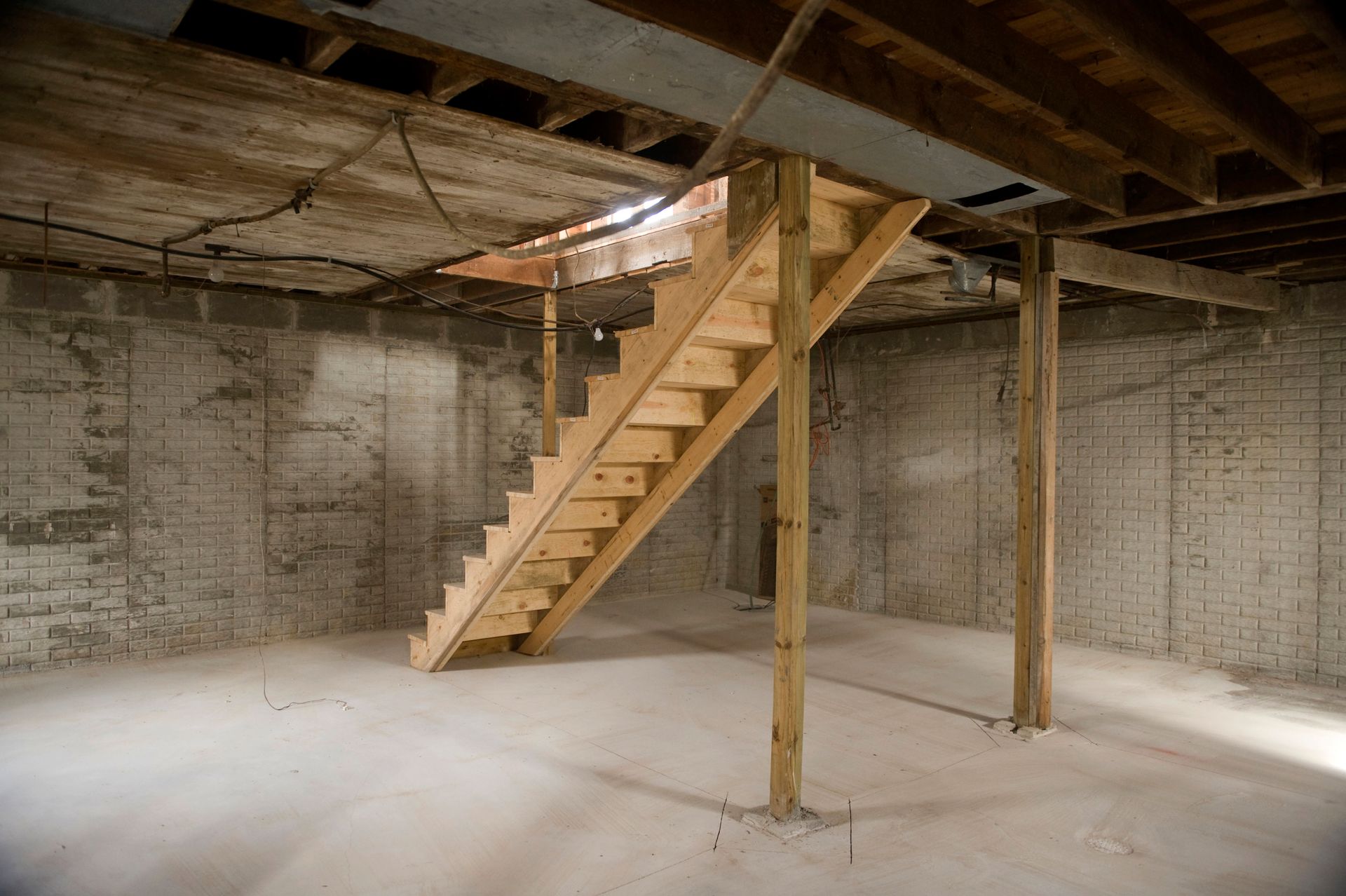
Protecting the structural integrity of a home begins beneath the surface. For many homeowners, the lower levels of a property are vulnerable to environmental pressures that can lead to significant decay. By understanding the relationship between moisture and masonry, individuals can take the necessary steps to maintain a safe, dry environment.
The Silent Threat of Hydrostatic Pressure
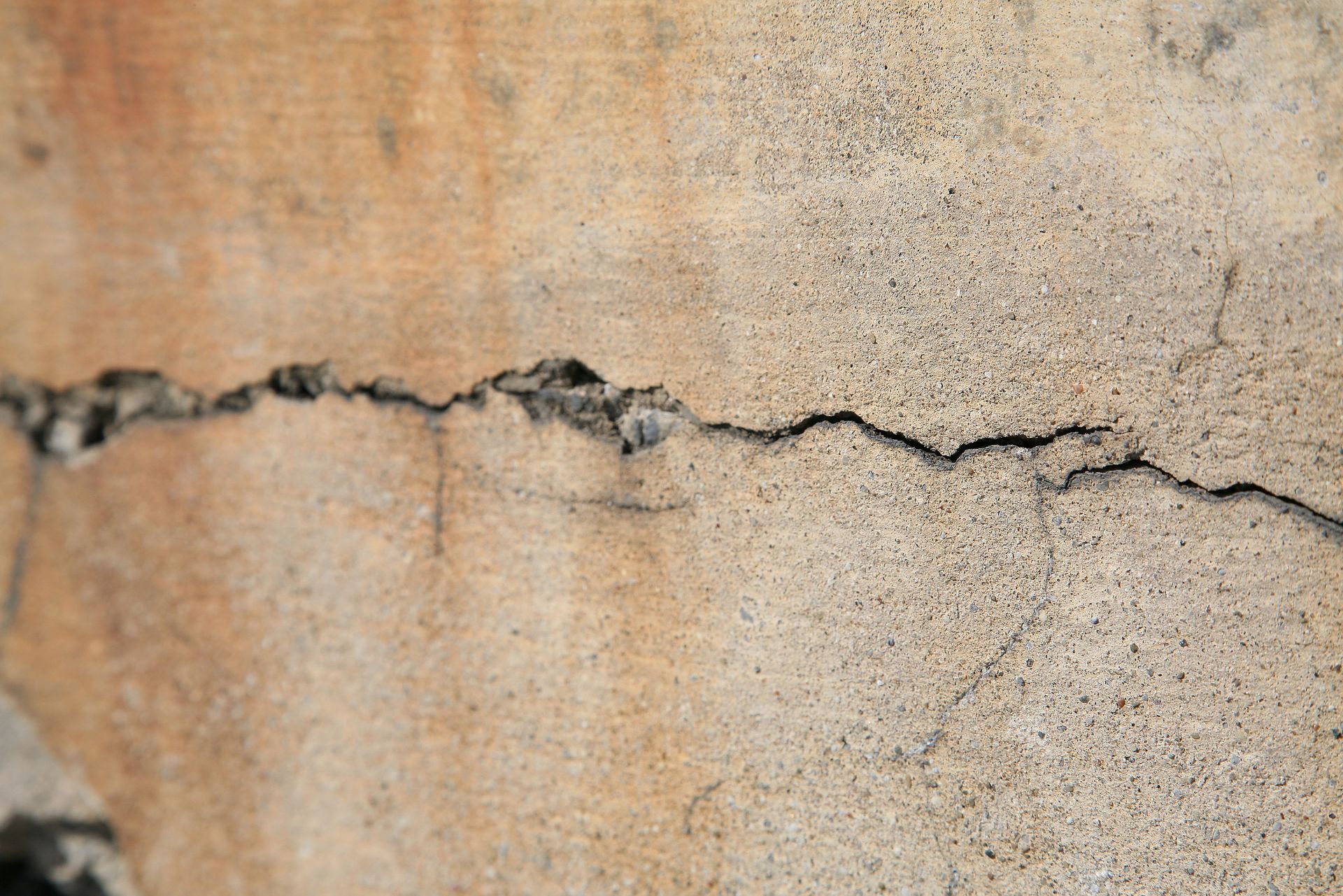
Groundwater is a constant force that exerts immense pressure against the exterior of a home. This phenomenon, known as hydrostatic pressure, occurs when the soil surrounding a foundation becomes saturated with rain or snowmelt. Because water is heavy and seeks the easiest outlet, it pushes against the concrete walls of a lower level with surprising force. Without professional basement waterproofing, this pressure eventually creates microscopic fractures in the substrate. Over time, these tiny openings expand, allowing moisture to seep into the living space and compromise the density of the concrete.
The composition of the soil plays a major role in how much pressure is applied to the structure. Clay-heavy soils tend to retain water for long periods, leading to prolonged expansion and contraction cycles. These cycles are particularly damaging because they put the foundation in a state of constant stress. A comprehensive approach to moisture management involves more than just plugging visible leaks. It requires a system that can effectively redirect this water away from the walls entirely. By addressing the water at its source, homeowners prevent the slow erosion of the footings and the primary structural supports of the building.
The Structural Integrity and Market Trends
The prevalence of below-grade living spaces in specific regions highlights the need for specialized moisture protection. According to BasementDefender.com, in the western and midwestern areas of the country, 40% of new homes have basements. This high percentage reflects a standard architectural style that relies heavily on the durability of concrete foundations. In these areas, the stability of the entire housing market is linked to the health of these subterranean structures. When a foundation fails due to water intrusion, the cost of repair often exceeds the value of the original installation by a significant margin.
Professional basement waterproofing serves as a preventative measure that maintains the market value of a property. A dry, stable lower level is a requirement for any successful real estate transaction. Prospective buyers and inspectors look specifically for signs of efflorescence, which is the white, powdery mineral deposit left behind by evaporating water. The presence of this substance indicates that moisture is moving through the walls, carrying minerals with it and slowly weakening the concrete. By maintaining a waterproof barrier, the structural components remain dense and capable of supporting the weight of the upper floors for many decades.
The Interior Systems
One of the most effective methods for managing groundwater involves the installation of an interior drainage system. This process involves creating a perimeter trench along the floor of the lower level to capture water before it can flood the space. This water is then directed toward a high-capacity sump pump, which discharges the liquid well away from the house. A professional basement waterproofing strategy often centers on this mechanical removal of water. Even if the exterior soil becomes fully saturated, the interior environment will remain regulated and dry.
The sump pump itself is a critical component that requires professional calibration. It must be powerful enough to handle peak flow during heavy storms while remaining reliable during power outages. Many systems include a battery backup or a secondary pump to manage overflow. This mechanical redundancy is a hallmark of a professional installation. While the pump handles the volume, the drainage track handles the direction. By keeping the water moving, the system prevents stagnant moisture from accumulating and rotting the base of the wooden wall studs or the flooring materials.
The Exterior Membranes and Grading
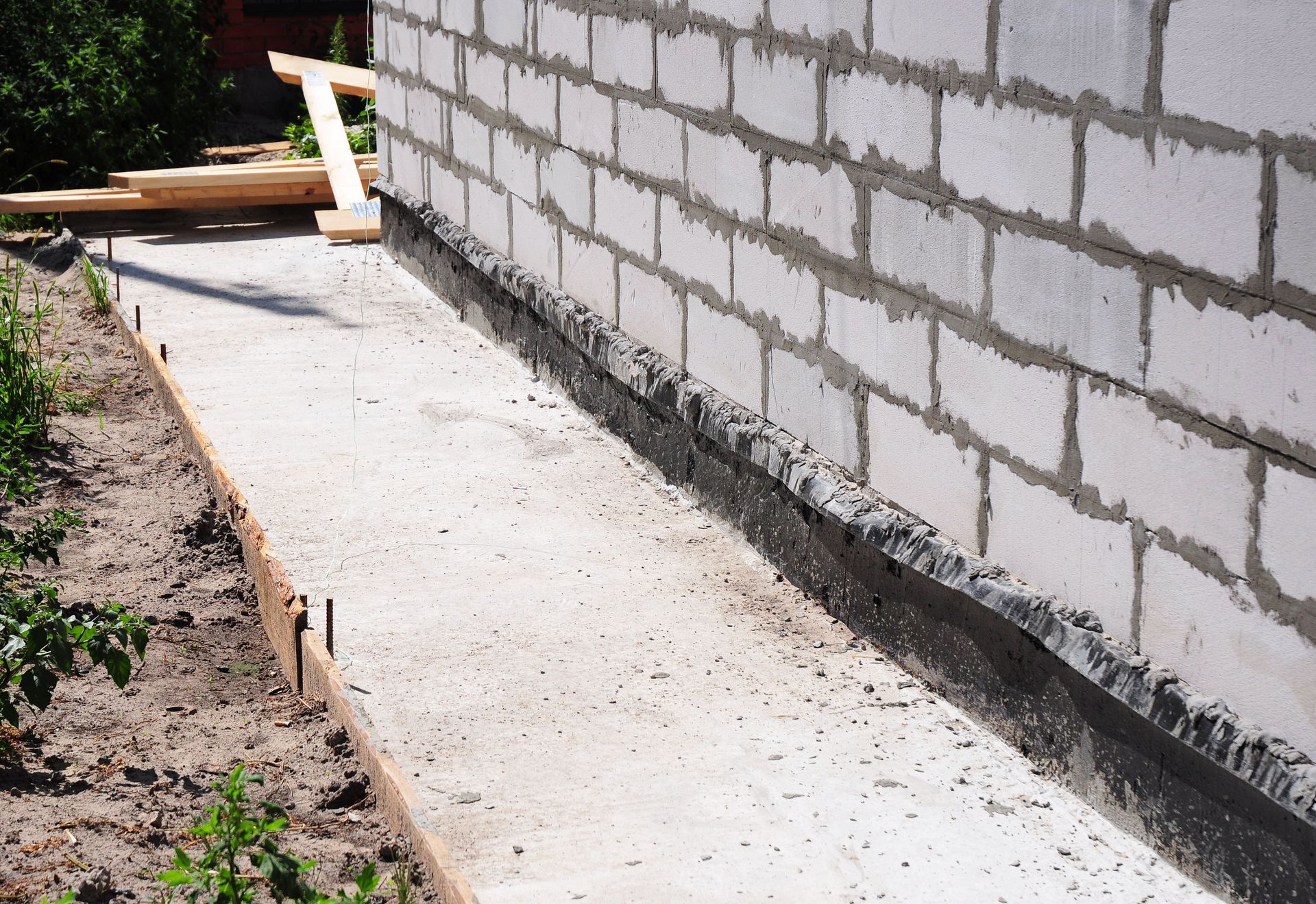
While interior systems manage water that has already reached the foundation, exterior barriers aim to stop the moisture before it ever touches the concrete. Professional teams apply high-density membranes or liquid-applied coatings to the outer face of the foundation walls. This creates a seamless, rubberized shield that is impervious to water. This layer is often protected by a drainage board, which allows water to trickle down to a footer pipe rather than sitting against the wall. This dual-layer approach is a cornerstone of modern basement waterproofing techniques.
Proper grading of the land surrounding the home is another vital factor in this process. The soil must slope away from the building to prevent "ponding" near the foundation. When the ground is flat or sloped toward the house, it acts like a funnel, sending every drop of rain toward the basement walls. Professionals use specialized equipment to adjust the pitch of the yard so that gutters and downspouts discharge their contents several feet away from the structure. This combination of physical barriers and landscape engineering provides a comprehensive defense against the elements.
The Impact of Humidity and Mold Prevention
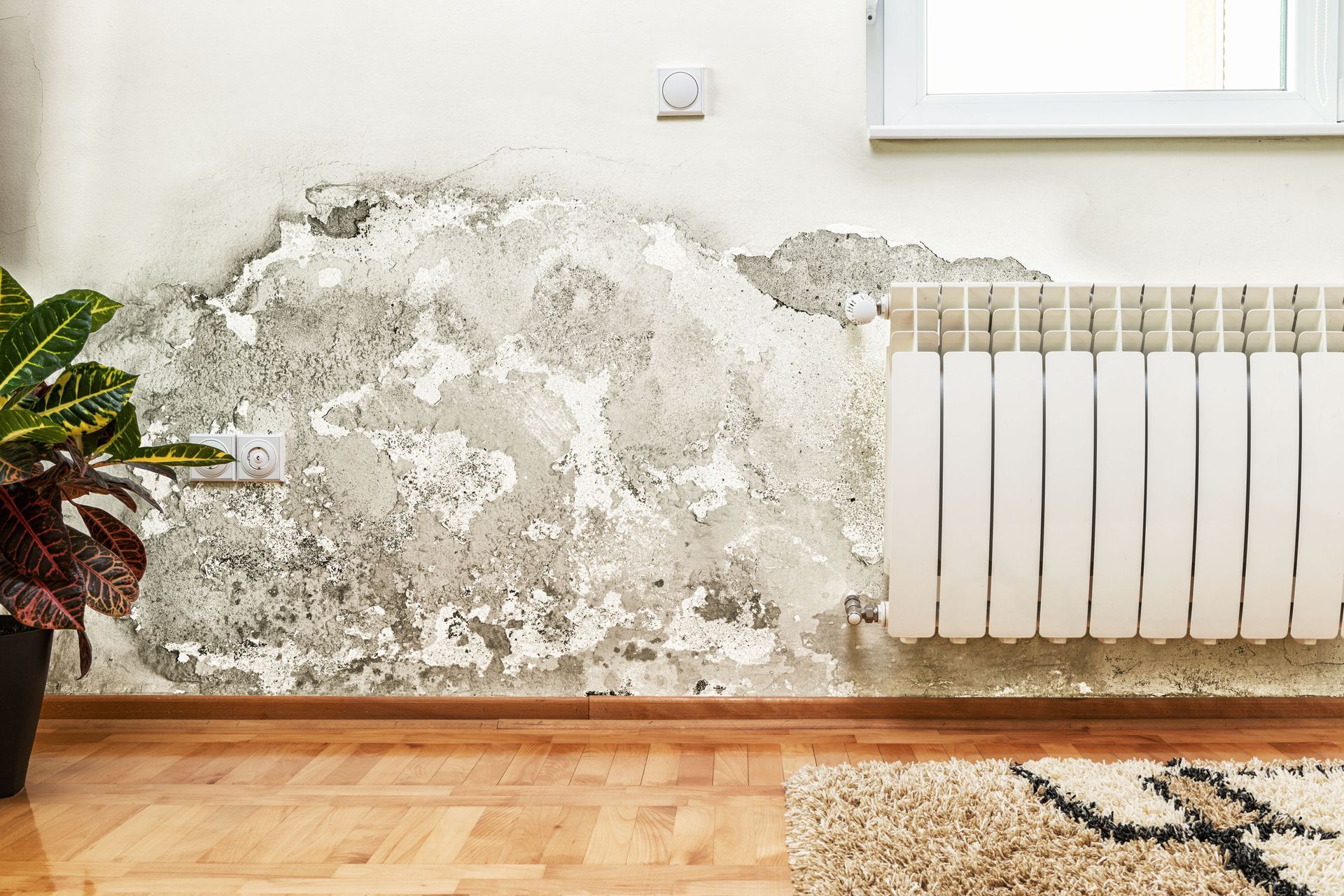
Water does not always enter a home as a liquid. Often, it enters as water vapor, which can be just as destructive. High humidity levels in a lower level create an ideal breeding ground for biological growth. Mold and mildew thrive in dark, damp environments, and once they take root, they can spread through the HVAC system to the rest of the house. This can lead to poor indoor air quality and the degradation of organic materials like drywall, insulation, and wood framing.
Effective basement waterproofing includes the installation of vapor barriers and high-efficiency dehumidification systems. These tools work together to keep the relative humidity below 50%, which is the threshold where most mold species cannot survive. By sealing the concrete pores and controlling the air quality, the structure remains clean and odor-free. This level of environmental control is impossible to achieve with localized patches or temporary fixes. It requires a whole-home perspective that considers the physics of air movement and the porous nature of construction materials.
The Long-Term Value and Foundation Stability
A foundation that is constantly exposed to moisture will eventually experience "spalling," where chunks of concrete begin to flake off and crumble. This occurs because the water inside the concrete expands as it freezes, creating internal pressure that the material cannot withstand. Over many years, this can lead to the "bowing" of walls, where the pressure from the outside soil pushes the weakened concrete inward. Fixing a bowed wall is an invasive and expensive process that involves the installation of carbon fiber straps or steel I-beams.
By investing in basement waterproofing early in the life of a home, these catastrophic failures can be avoided. The concrete remains dry and strong, capable of withstanding the natural shifts in the earth. Furthermore, a waterproofed lower level can be safely finished into a bedroom, office, or gym without the fear of water damage ruining the investment. The peace of mind that comes from a dry foundation is perhaps the greatest benefit of all. It allows the home to serve as a reliable sanctuary, regardless of the weather conditions outside.
Maintaining a dry lower level is the most effective way to promote the longevity of your home. By addressing moisture through professional drainage and sealing, you protect the very base of your property. Basement waterproofing prevents structural decay and preserves the value of your most significant personal investment. Contact Your Waterproofer today to explore our full range of professional solutions and schedule a consultation to protect your home from the ground up.