March 9, 2026
If you’ve ever walked into a basement and caught that faint, earthy smell of moisture, you know how quickly a small issue can feel like a big one. Maybe it’s a darker patch along the wall. Maybe it’s a corner that always feels just a little damp. Whatever the sign, it’s hard to ignore the feeling that something beneath your home needs attention.
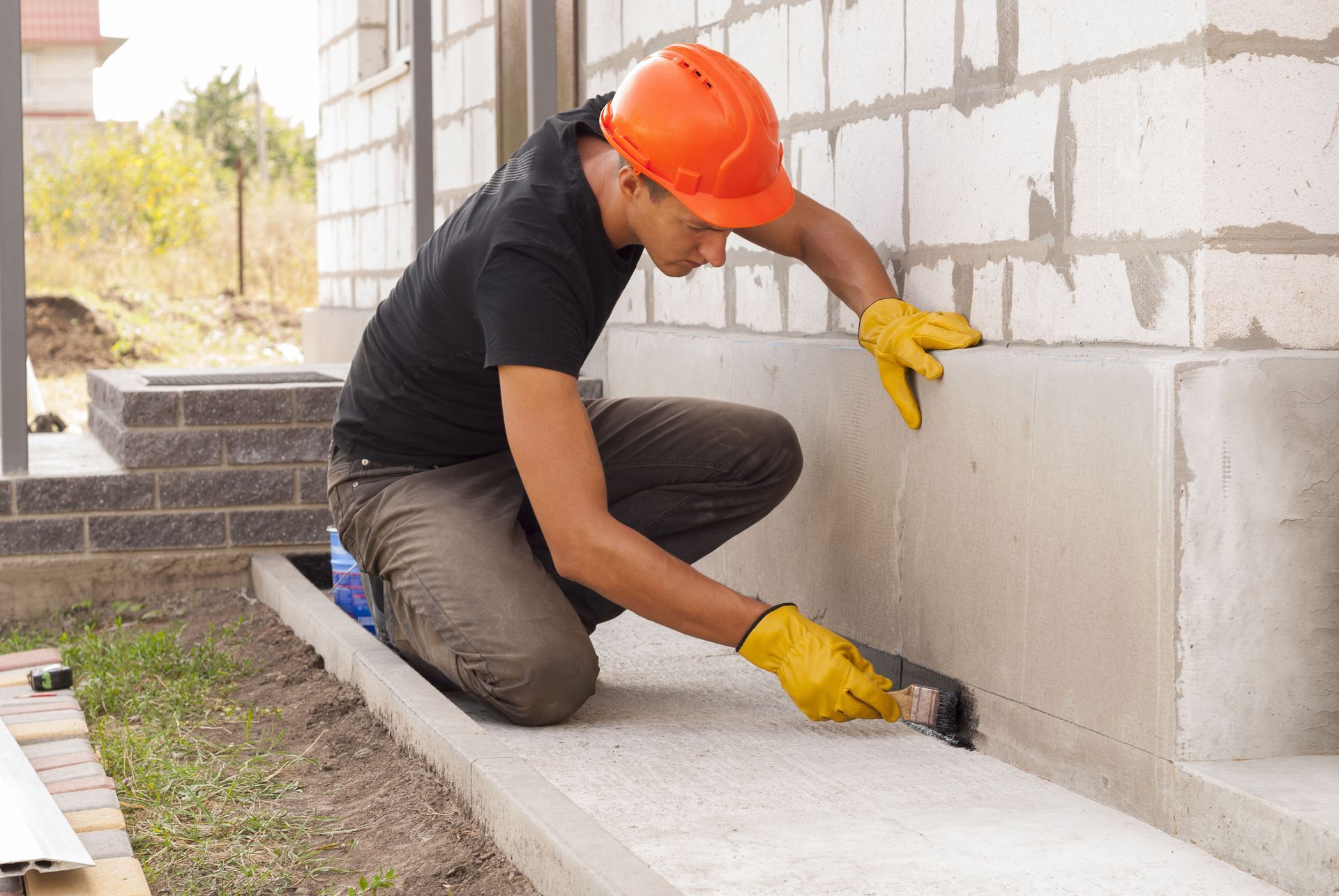
Your foundation does more than hold up walls and floors. It supports everything you value inside your home, from furniture and keepsakes to the people you care about most. That’s why foundation waterproofing isn’t just about stopping water. It’s about protecting the structure that supports your entire living space.
Let’s talk about why this matters so much and how it can make a lasting difference in your home.
Preventing Water From Seeping Into Living Spaces
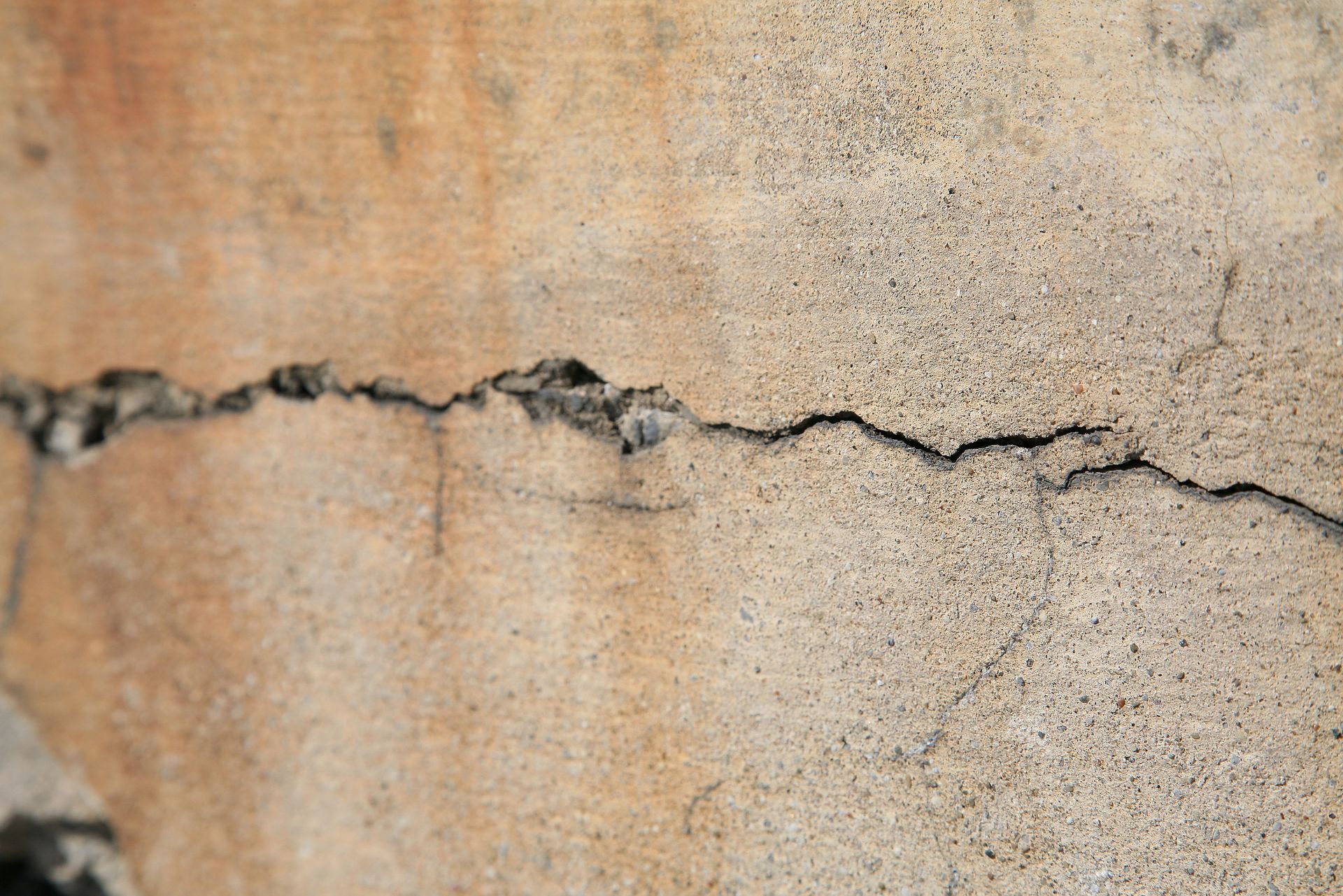
Water has a way of finding the smallest openings. Tiny cracks in concrete, gaps where walls meet the floor, or porous materials can all allow moisture to creep inside. At first, it may not look serious. A little surface dampness doesn’t always raise alarms.
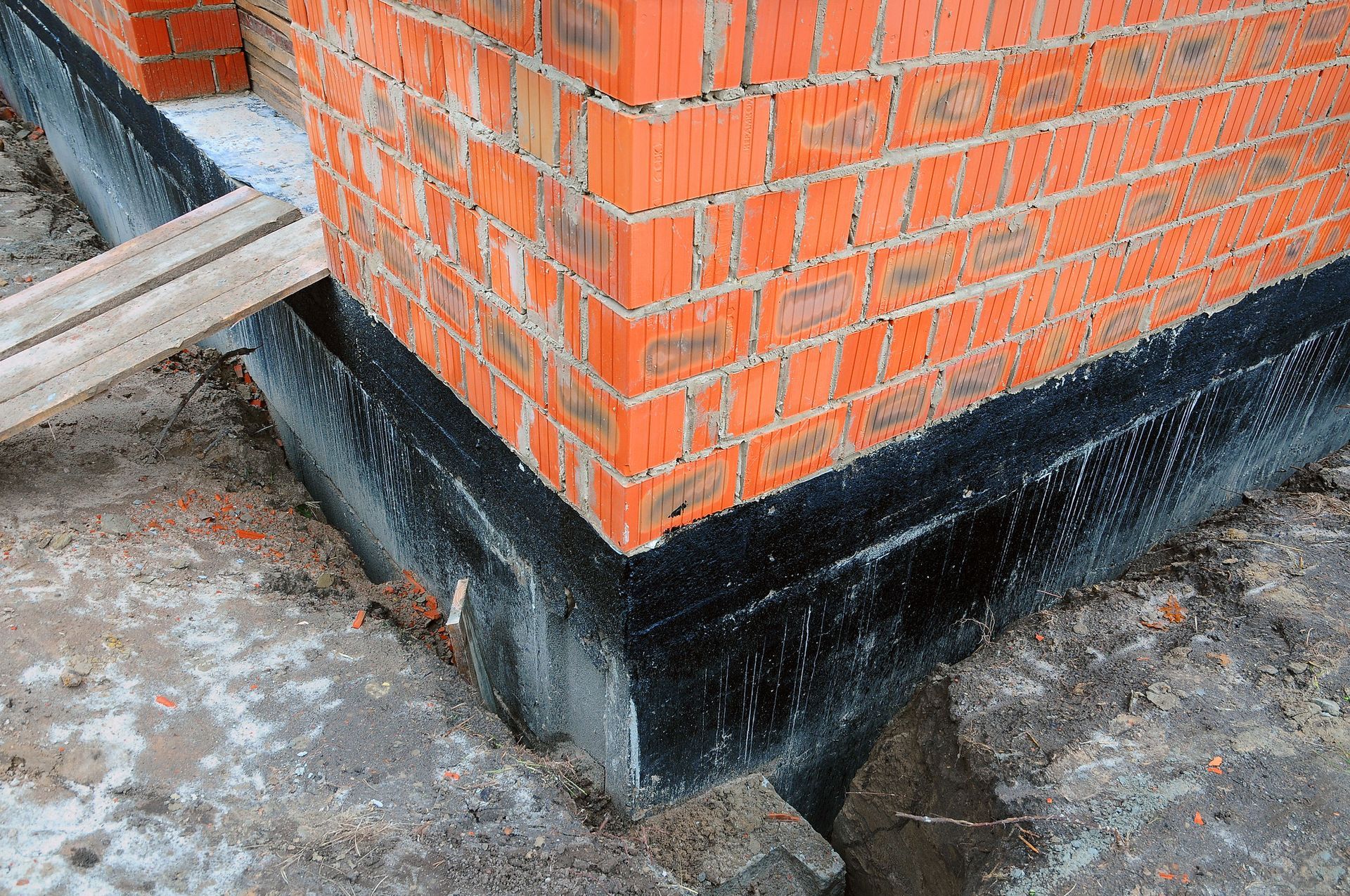
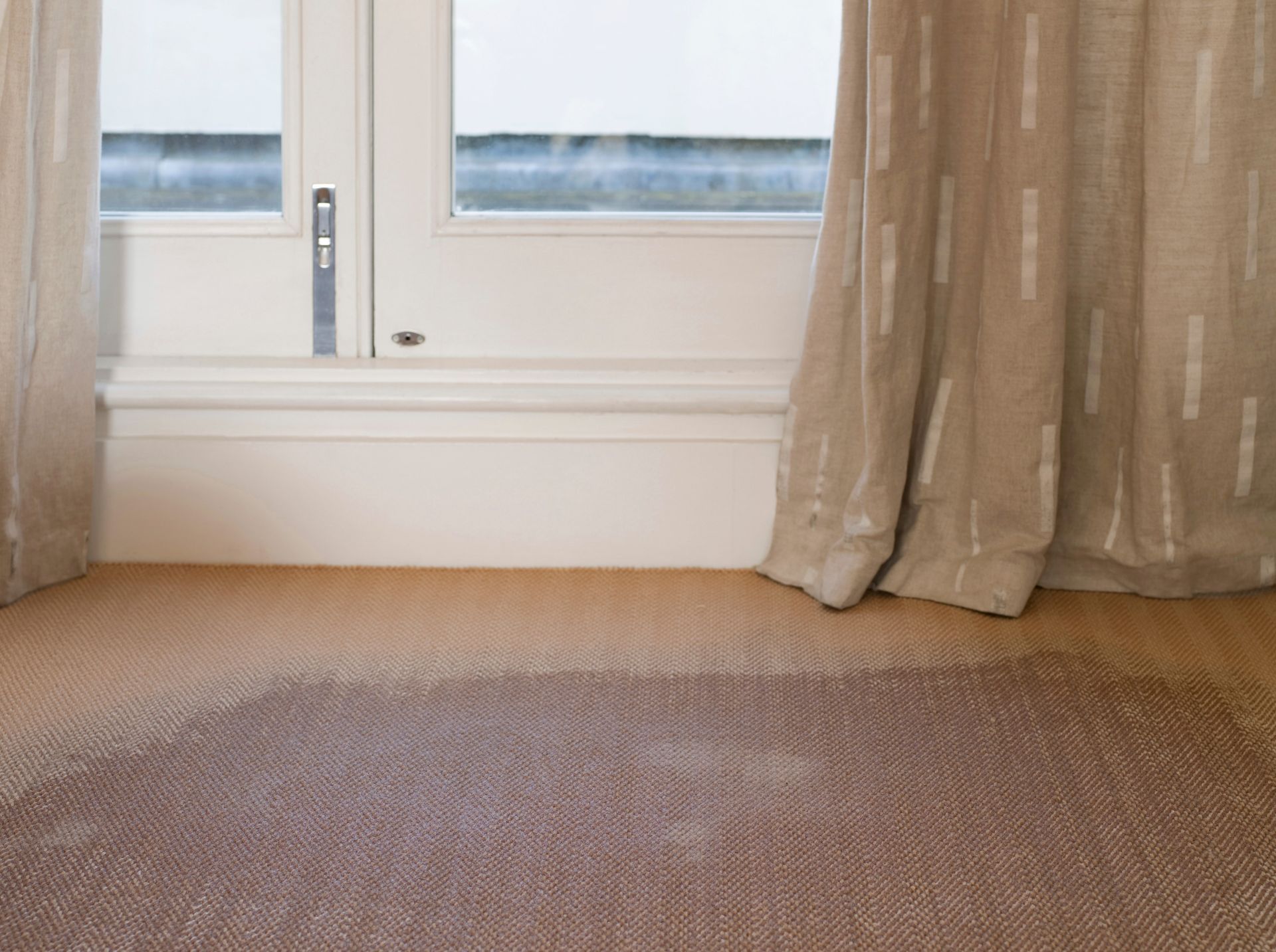
But over time, even minor moisture can spread. It can discolor walls, damage flooring, and create an environment that never quite feels dry or comfortable. Waterproofing works as a barrier, helping block water before it crosses into your living space.
When your basement or crawl space stays dry, everything above it benefits. Floors feel solid. The air feels fresher. You’re not constantly wondering if the next heavy rain will leave a surprise behind.
Reducing the Risk of Structural Damage
Concrete is strong, but it isn’t invincible. When water repeatedly seeps into foundation walls, it can weaken the material over time. Expansion and contraction from moisture changes can widen small cracks and put pressure on the surrounding structure.
That slow progression is what often catches homeowners off guard. Damage doesn’t usually happen overnight. It builds quietly. You might notice doors sticking, floors becoming uneven, or small cracks forming in interior walls.
Foundation waterproofing helps limit the amount of moisture interacting with your foundation. By controlling water intrusion, you reduce the stress placed on the structure itself. It’s about preserving the integrity of the home rather than reacting after visible damage appears.
Protecting Indoor Air Quality From Hidden Moisture
What happens below your home doesn’t stay there. Air moves upward, and moisture in a basement or crawl space can influence the air you breathe throughout the house.
Damp areas create ideal conditions for mold and mildew. Even when growth isn’t obvious, musty odors can travel through vents and stairwells. Over time, that lingering moisture can make your home feel less comfortable and potentially aggravate respiratory sensitivities.
By investing in foundation waterproofing, you’re not just addressing standing water. You’re helping maintain a healthier indoor environment. A dry foundation limits the humidity that fuels unwanted growth and keeps your home feeling cleaner and more balanced.
It’s one of those improvements you may not see every day, but you’ll likely notice the difference in how your home feels.
Preserving the Value and Longevity of Your Property
Your home is more than a place to sleep at night. It’s an investment, and its condition affects long-term value. Signs of water intrusion in a basement can raise concerns for potential buyers. Even minor staining or moisture marks can spark questions about what lies behind the walls.
Foundation waterproofing demonstrates that steps have been taken to protect the property from water-related issues. It shows foresight and care. A dry, well-maintained foundation supports the overall condition of the home, from structural components to finished living areas.
When moisture problems are addressed early, you’re more likely to avoid extensive repairs down the road. That can help preserve not only the physical structure but also the financial value tied to it.
Minimizing the Impact of Basement Leakage
Basement leakage is more common than many homeowners realize. In fact, according to the U.S. Department of Housing and Urban Development, among homes that reported basement leakage, approximately 66% experienced light leakage (surface wetting), while about 33% experienced heavy leakage (standing water on the slab).
Those numbers highlight something important. Leakage doesn’t always mean dramatic flooding. Often, it starts as subtle surface moisture. But even light leakage can leave lasting effects if it continues over time.
Foundation waterproofing addresses both the visible and hidden pathways that allow water into a basement. Whether moisture appears as damp patches or more noticeable pooling, controlling its entry point is key. When the foundation is properly protected, you’re far less likely to deal with recurring water issues that disrupt daily life.
Preventing Damage to Stored Belongings and Finishes
For many families, the basement isn’t just a utility area. It’s storage space, a workshop, a finished recreation room, or even an extra bedroom. That means it often holds valuable belongings, from seasonal decorations to important documents.
Water intrusion can damage cardboard boxes, furniture, electronics, and flooring materials. Even a small amount of moisture can warp wood, stain drywall, and compromise insulation. The frustration of discovering damaged belongings after a storm is something no homeowner wants to experience.
Foundation waterproofing creates a more reliable environment for whatever you keep below ground level. When you know your basement is protected, you can use the space with greater confidence. It transforms the area from a potential liability into a functional extension of your home.
Supporting Long-Term Peace of Mind During Severe Weather
Storms have a way of testing every part of a home. Heavy rain can saturate soil around the foundation, increasing pressure against basement walls. Snowmelt can have a similar effect, introducing large amounts of water into the ground surrounding your house.
Without proper protection, that water may push against weak points and eventually find its way inside. The stress of wondering how your home will handle the next storm can weigh on you.
Waterproofing reduces that uncertainty. Addressing drainage, sealing vulnerable areas, and creating barriers against moisture helps your home respond more effectively to changing weather conditions.
There’s a certain relief that comes with knowing you’ve taken steps to protect the foundation. Instead of worrying every time clouds gather, you can focus on staying comfortable inside.
A damp basement often feels uninviting. The air may seem cooler and heavier. Walls can feel clammy to the touch. Even if the space is technically finished, persistent moisture can keep it from truly feeling like part of the home.
When foundation waterproofing is in place, the difference can be noticeable. A dry environment supports better temperature control and reduces that lingering musty scent. It opens up possibilities for how you use the space, whether for gatherings, hobbies, or quiet relaxation.
You shouldn’t have to avoid a portion of your own home because of moisture concerns. Protecting the foundation makes the lower level more comfortable and welcoming.
When you step back and look at the bigger picture, foundation waterproofing isn’t just about concrete and sealants. It’s about preserving the structure that holds your home together. It’s about maintaining air quality, protecting belongings, and reducing the chances of structural strain over time.
Moisture problems often start small. A little dampness here. A faint odor there. But left unaddressed, they can evolve into issues that affect multiple areas of your home. Taking action early can make a meaningful difference in how your home performs and how secure you feel inside it.
If you’ve noticed signs of moisture or simply want to be proactive about protecting your property, consider reaching out to Your Waterproofer today.