March 5, 2026
Excess water in your yard can create more than minor inconvenience. What may begin as soggy grass or puddles after a heavy rain can quickly turn into foundation issues, basement leaks, erosion, and long-term structural damage. While some drainage concerns can be resolved with minor grading adjustments or gutter extensions, other problems signal a deeper issue that requires professional evaluation. Knowing when to bring in experienced help can save time, money, and frustration.
Understanding the warning signs and recognizing the limitations of DIY solutions are critical steps in protecting your property. If water repeatedly collects around your home or begins to impact structural components, it may be time to consult a yard drainage contractor who can identify the root cause and implement a lasting solution.
Recognizing Persistent Surface Water Problems
Occasional puddling after a strong storm is not unusual. However, standing water that lingers could suggest improper drainage. Persistent surface water can suffocate grass, damage landscaping, and create muddy areas that limit how you use your yard.
If certain sections of your lawn remain saturated long after rainfall has stopped, the issue may involve soil composition, grading problems, or inadequate runoff pathways. Clay-heavy soil, for example, drains much more slowly than sandy soil, which can exacerbate pooling issues.
Over time, repeated saturation weakens turf roots and invites pests such as mosquitoes. If you notice recurring soggy areas despite attempts to regrade or aerate the soil, hiring a yard drainage contractor can provide a comprehensive assessment and a tailored solution such as French drains, channel drains, or dry wells. Beyond the visible inconvenience, prolonged surface water can also impact the health of nearby plants and shrubs. Excess moisture deprives roots of oxygen, leading to root rot and plant decline. Addressing drainage concerns early helps preserve your landscape investment and prevents long-term damage to both turf and ornamental plantings.
Observing Signs of Foundation Stress
Water that collects near the base of your home poses serious structural risks. Hydrostatic pressure builds when soil becomes oversaturated, pushing against foundation walls. This pressure can cause cracks, bowing, or shifting if left unaddressed.
Visible cracks in concrete should never be ignored. According to This Old House, foundation cracks that measure more than one-fourth inch wide generally need professional repair, while hairline cracks smaller than one-eighth inch are usually cosmetic and caused by normal concrete settling. If you observe widening cracks combined with yard drainage problems, the connection is not coincidental.
Efflorescence, which appears as a white powdery residue on basement walls, can also indicate water intrusion. When moisture moves through concrete, it carries minerals to the surface. If these warning signs accompany standing water outdoors, consulting a yard drainage contractor can help prevent further structural deterioration. In addition to cracks and mineral deposits, you may notice sticking doors, uneven floors, or small gaps forming around window frames. These subtle changes can signal foundation movement caused by prolonged moisture exposure. Ignoring early warning signs can allow moisture issues to escalate into significant structural repairs. Prolonged water exposure weakens concrete over time and can compromise its load-bearing capacity, increasing the likelihood of costly remediation work.
Noticing Basement or Crawl Space Moisture
Damp basements and crawl spaces often stem from exterior drainage failures. Even if your yard appears relatively dry, water may be traveling underground toward your foundation. Poor grading, clogged perimeter drains, or inadequate downspout extensions can channel water directly to vulnerable areas.
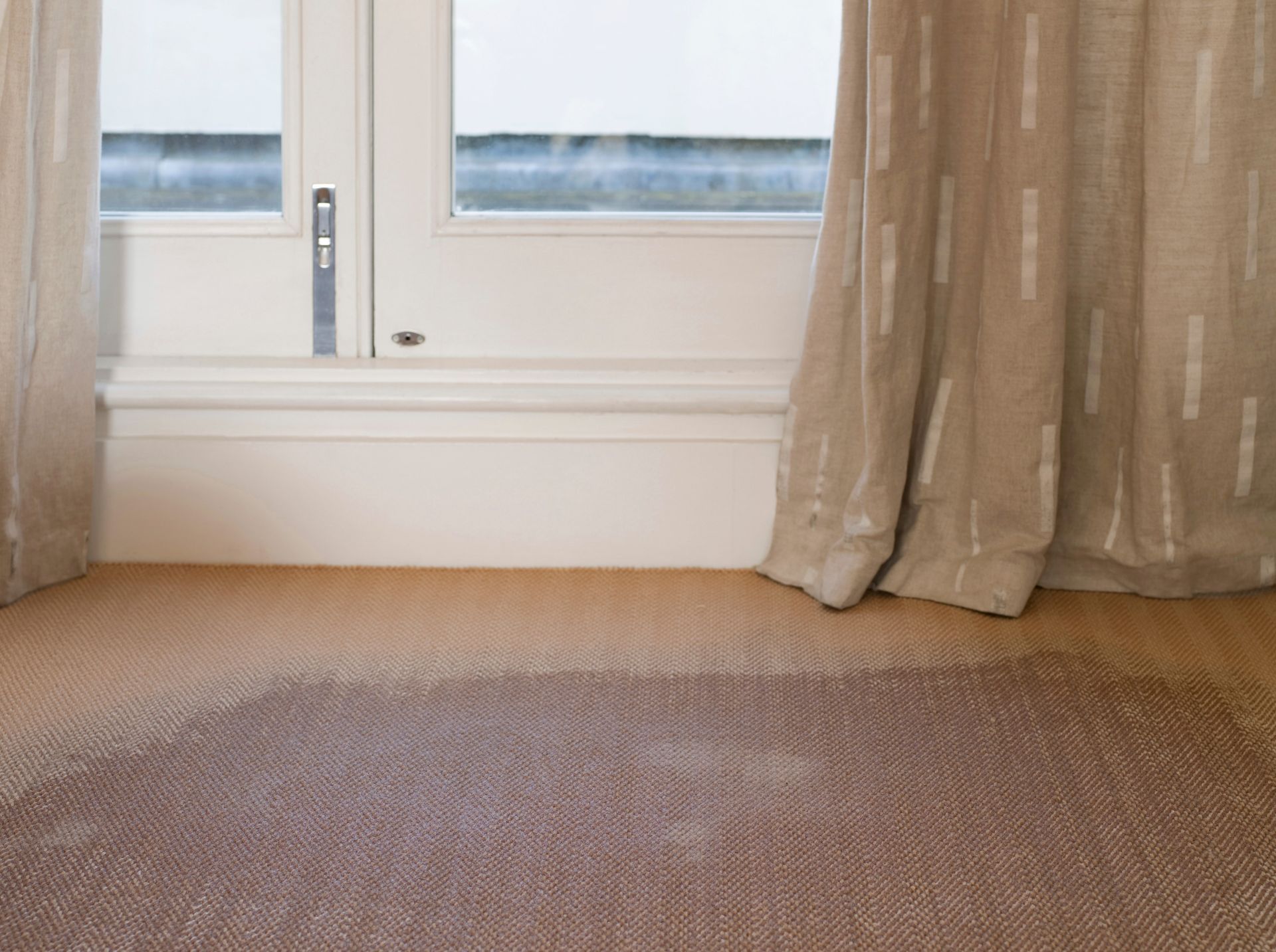
Musty odors, visible mold growth, condensation on walls, and peeling paint in below-grade spaces are red flags. These conditions not only threaten structural materials but also affect indoor air quality. Excess moisture can damage insulation, framing, subflooring, and stored belongings.
If interior waterproofing measures have provided only temporary relief, the underlying issue may lie outside. A yard drainage contractor can evaluate slope angles, runoff patterns, and soil saturation levels to design a system that diverts water away from your home effectively. Addressing exterior drainage at its source often delivers longer-lasting results than relying solely on interior solutions.
Identifying Landscape Erosion and Soil Movement
Erosion is another clear indicator that your property’s drainage system is not functioning properly. Channels carved into soil, exposed tree roots, displaced gravel, and shifting mulch beds point to uncontrolled runoff. Over time, erosion can destabilize patios, walkways, retaining walls, and even fencing.
Sloped properties are particularly vulnerable to soil displacement during heavy rain. Without proper drainage solutions, water accelerates downhill, carrying topsoil with it and creating uneven surfaces. This not only affects aesthetics but also compromises structural stability and plant health.
If you notice gradual changes in grading or recurring washouts after storms, professional intervention becomes essential. A yard drainage contractor can implement solutions such as retaining walls with integrated drainage systems, catch basins, or subsurface piping to manage water flow responsibly and protect vulnerable areas of your property.
Experiencing Gutter and Downspout Overflow
Roof runoff plays a major role in yard drainage. When gutters overflow or downspouts discharge water too close to the foundation, the surrounding soil becomes saturated quickly. Even properly functioning gutters can contribute to problems if extensions are too short or poorly positioned.
Water pouring directly onto flower beds, splashing against siding, or pooling at foundation corners indicates inadequate redirection. In some cases, underground downspout extensions, pop-up emitters, or catch basins may be necessary to move water safely away from the structure.
If adjusting extensions and cleaning gutters does not resolve the issue, it may be time to consult a yard drainage contractor who can integrate roof runoff into a broader drainage strategy that protects both landscaping and structural elements while reducing long-term maintenance concerns.
Attempting Repeated DIY Fixes Without Success
Homeowners often try simple fixes such as adding topsoil, reseeding grass, installing splash blocks, or digging shallow trenches. While these measures can help minor issues, persistent drainage problems typically require a more comprehensive and carefully engineered approach.
Improperly installed drains or poorly calculated grading adjustments can sometimes worsen water flow patterns. Without a full understanding of how water moves across your property, well-intentioned solutions may redirect runoff toward neighboring areas, patios, or back toward your foundation.
If you have attempted multiple remedies without lasting improvement, bringing in a yard drainage contractor can provide clarity. Professional evaluations often include soil analysis, elevation mapping, water flow testing, and customized system design that addresses the entire property rather than isolated symptoms.
Preparing for Major Landscaping or Construction Projects
Drainage planning should be a priority before installing patios, driveways, pools, or extensive landscaping features. Adding hardscaping increases impermeable surfaces, which alters how water flows across your yard and can intensify runoff during heavy rain. Retrofitting drainage systems after construction is often more disruptive and costly than incorporating them at the planning stage. Addressing slope, soil compaction, and runoff patterns early allows for cohesive design that supports both aesthetics and functionality.
Consulting a professional during the planning phase of large outdoor projects helps protect your investment. Proper drainage not only preserves new installations but also safeguards your home from future water-related complications and helps maintain the long-term performance of your outdoor improvements.
Water management is not simply about eliminating puddles. It is about protecting your home’s structural integrity, preserving landscaping, and maintaining a healthy living environment. Persistent standing water, foundation cracks, basement moisture, soil erosion, and repeated DIY failures all signal that professional evaluation may be necessary. Acting promptly can prevent minor drainage concerns from escalating into expensive repairs.
If you are noticing any of these warning signs, do not wait for the problem to worsen. Contact Your Waterproofer today to discuss your concerns and schedule a professional assessment with a trusted yard drainage contractor for your property’s drainage system.