February 5, 2026
The idea of investing in protective basement services early may not always rank high on a homeowner’s priority list. However, understanding the long-term cost benefits of acting sooner rather than later can provide meaningful financial relief and preserve property value. This article explores why proactive moisture protection is critical for preventing damage, maintaining structural stability, and supporting a safe indoor environment.
According to Krapf Legal, home water damage ranks second only to wind and hail in frequency — about 1 in 60 insured homes files a water-damage or freezing claim in any given year. These figures emphasize how widespread moisture-related issues are for property owners and reinforce why early planning and prevention are essential to avoiding costly repairs and unexpected disruptions.
The following sections examine moisture protection strategies, financial considerations, consequences of delayed action, service provider selection, and evolving technology. Together, these factors illustrate why early investment in basement waterproofing can be one of the most financially sound decisions a homeowner makes.
Understanding Basement Waterproofing
Basement waterproofing involves a series of methods designed to prevent water intrusion into below-grade spaces. Its purpose extends beyond surface protection, focusing on preserving structural integrity and maintaining healthy indoor air quality. When applied correctly, these systems reduce moisture exposure and protect both the foundation and interior living areas.
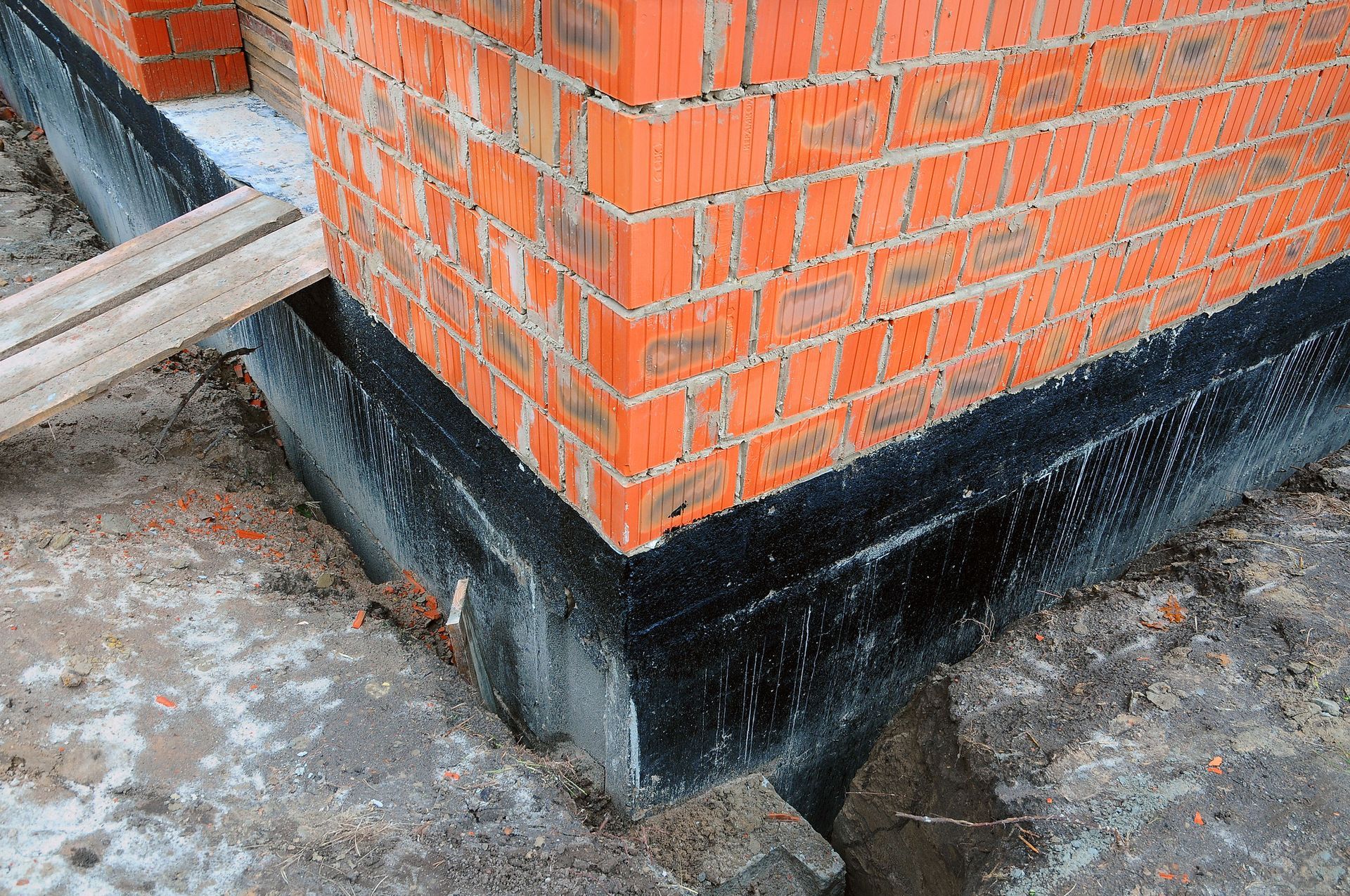
Typical solutions include foundation sealing, drainage system installation, and moisture barriers that work together to redirect water away from vulnerable areas. These techniques help prevent mold growth, material deterioration, and damage to stored belongings. Over time, they support a drier, more stable environment.
Beyond immediate protection, basement waterproofing contributes to long-term durability and reduced maintenance needs. Eliminating persistent dampness also improves comfort and usability, transforming basements into safer and more functional spaces.
Types of Waterproofing Techniques
Moisture control techniques vary depending on structural conditions and environmental factors. Interior methods often include sealants and sump pump systems that manage water once it enters the space. Exterior approaches focus on preventing infiltration altogether by reinforcing foundation walls and improving drainage.
Interior systems are generally more affordable and less invasive, making them a popular option for minor moisture issues. Exterior solutions, while more involved, address underlying causes and provide comprehensive protection against groundwater pressure.
Selecting the right approach depends on soil composition, local climate, and foundation design. Professional assessments help determine which combination of methods delivers the most reliable results.
Common Causes of Basement Water Damage
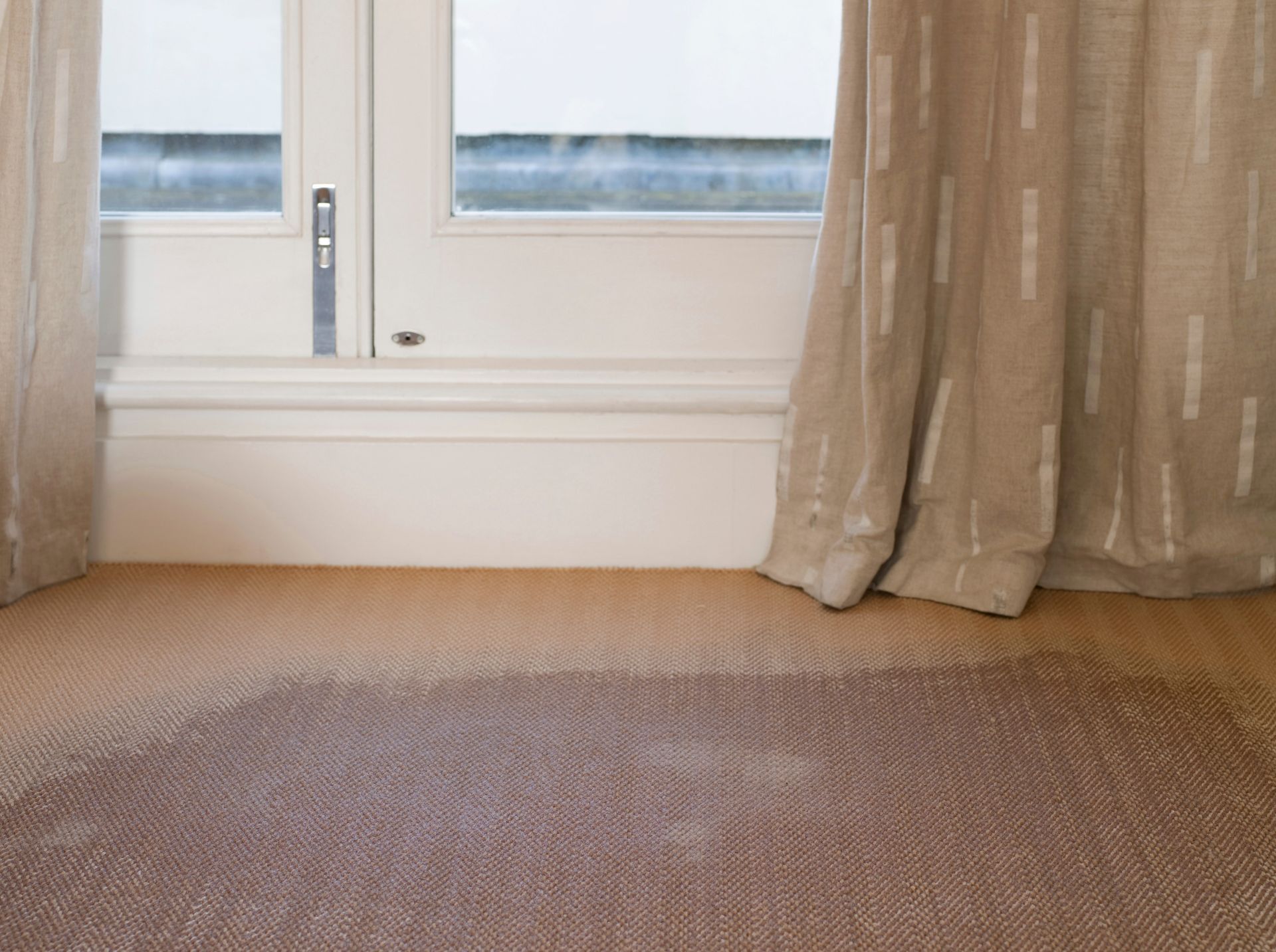
Basement moisture problems commonly stem from heavy rainfall, inadequate drainage, or rising groundwater. Internal factors such as plumbing leaks or appliance failures can also contribute to water accumulation.
Modern homes are not immune to these risks. Nearby construction, grading changes, or altered runoff patterns can unexpectedly redirect water toward foundations. Understanding these causes allows homeowners to implement targeted solutions.
Routine inspections and early intervention significantly reduce exposure to these risks. Addressing vulnerabilities promptly helps prevent escalating damage and costly structural repairs.
Financial Benefits of Early Prevention
Early investment in basement waterproofing offers substantial long-term savings by preventing major repair expenses. Addressing moisture risks early minimizes the likelihood of foundation damage, mold remediation, and emergency repairs.
While upfront costs may appear significant, they are often far lower than the expenses associated with extensive water damage restoration. Proactive planning allows homeowners to budget effectively rather than react under pressure.
Preventative strategies protect property value and reduce financial uncertainty, making them a practical and cost-conscious decision.
Impact on Property Value and Insurance
A properly protected basement enhances overall property appeal and marketability. Buyers are more confident in homes with documented moisture control measures, often resulting in smoother transactions and stronger offers.
Insurance providers may also view proactive protection favorably. Demonstrating responsible maintenance can help reduce premiums and minimize claim disputes related to preventable damage.
By investing early in basement waterproofing, homeowners strengthen both resale potential and insurance positioning.
Consequences of Delaying Protection
Delaying moisture control allows small issues to evolve into serious structural problems. Persistent water exposure weakens foundations, increases repair complexity, and accelerates material deterioration.
Health risks also rise as mold and mildew thrive in damp environments. Poor air quality can aggravate respiratory conditions and compromise household comfort.
Long-term neglect often leads to higher insurance costs, emergency interventions, and reduced property value. Early action minimizes these avoidable consequences.
Choosing a Qualified Service Provider
Selecting the right professional is essential for effective moisture protection. Experience, licensing, insurance coverage, and customer reviews should all factor into the decision-making process.
Balancing cost with service quality helps avoid substandard work that could lead to future issues. Reliable providers offer transparent pricing, warranties, and post-service support.
Thorough vetting ensures the selected provider delivers durable results and long-term peace of mind.
Technological Advances in Waterproofing Solutions
Advancements in materials and diagnostic tools have improved the effectiveness of modern systems. High-performance membranes, improved drainage components, and moisture sensors allow for more precise and durable solutions.
Smart monitoring technology enables homeowners to detect changes in moisture levels early, supporting proactive maintenance. These innovations reduce long-term costs and improve system reliability.
As technology evolves, homeowners benefit from more efficient installations and longer-lasting protection.
How Moisture Control Improves Basement Usability
Beyond protection and cost savings, effective moisture management significantly improves how a basement can be used. A dry environment allows homeowners to safely convert lower-level spaces into functional areas such as home offices, guest rooms, fitness spaces, or entertainment rooms. Without persistent dampness, flooring, furnishings, and electronics can be installed with greater confidence.
When moisture is controlled, temperature regulation also improves throughout the home. Basements that remain dry are easier to insulate properly, helping stabilize indoor temperatures year-round. This contributes to overall comfort while reducing strain on heating and cooling systems.
Improved usability also increases the long-term flexibility of a property. Whether a homeowner plans to expand living space now or preserve options for future renovations, maintaining a dry foundation supports adaptable design choices and long-term planning.
Environmental and Structural Sustainability Benefits
Proactive moisture protection supports sustainable homeownership by reducing material waste and minimizing the need for repeated repairs. Structural components exposed to water deteriorate faster, often requiring replacement that consumes additional resources and labor. Preventative measures extend the lifespan of foundational materials and interior finishes.
Reduced moisture also limits the need for chemical cleaners, mold treatments, and dehumidification equipment. This lowers ongoing energy consumption and decreases environmental impact over time. Homes that maintain stable moisture levels typically experience fewer emergency interventions and less disruption.
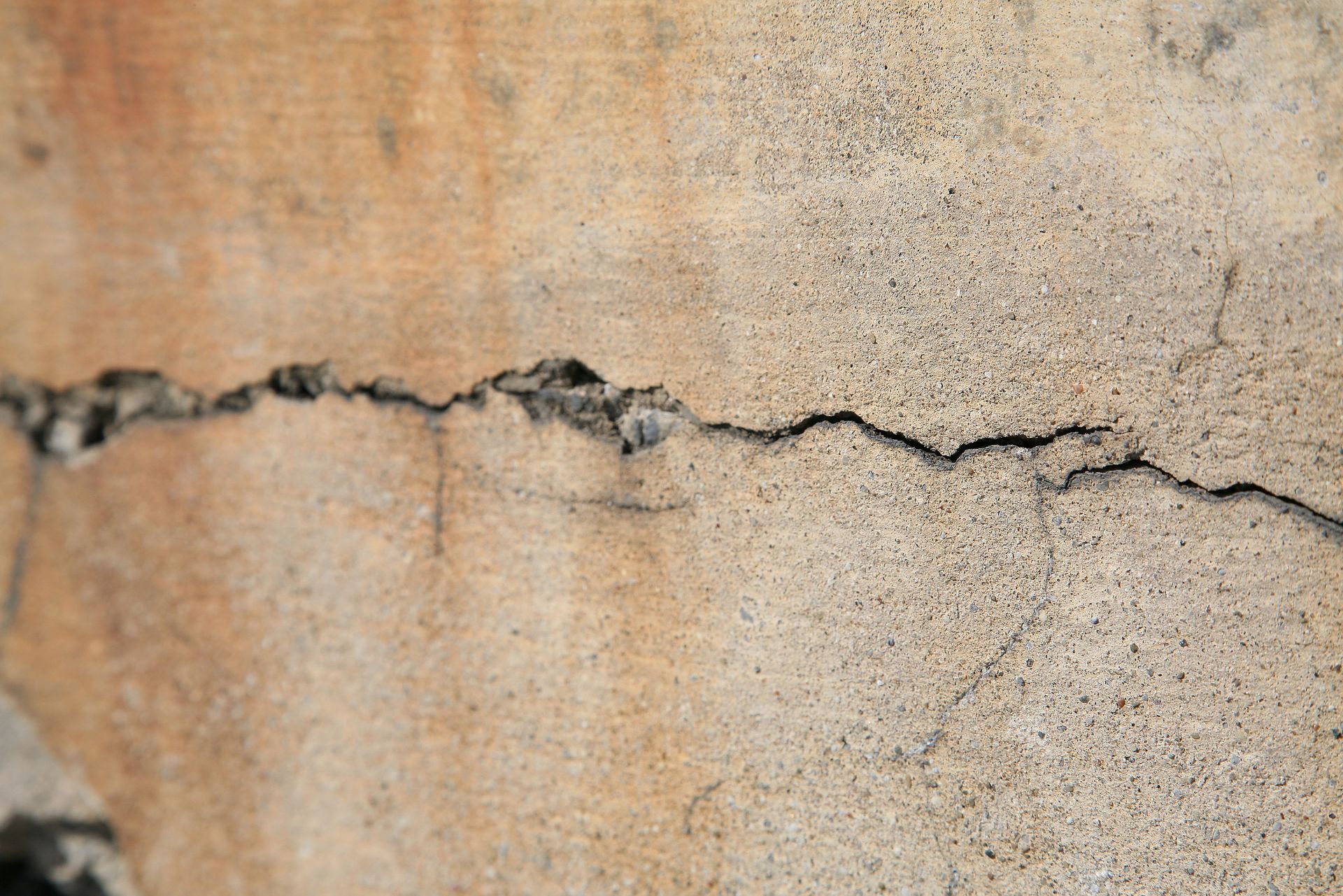
From a structural perspective, controlling water intrusion preserves soil stability around the foundation. Excess moisture can shift soil pressure, contributing to cracks and settlement issues that compromise the building envelope. Maintaining balanced conditions helps protect load-bearing elements and supports long-term durability.
Planning the Right Time for Preventative Action
The ideal time to address moisture concerns is before visible damage occurs. Scheduling evaluations during dry seasons or prior to major renovations allows homeowners to implement solutions without urgency or disruption. Early planning also provides more flexibility when comparing service options and budgeting.
Routine inspections following heavy storms or seasonal changes can identify emerging issues while they are still manageable. Addressing concerns promptly avoids the stress and expense associated with emergency repairs.
By treating moisture control as a planned maintenance priority rather than a reactive response, homeowners gain greater control over costs, timelines, and long-term property performance.
Addressing moisture risks early protects structural integrity, safeguards health, and preserves financial stability. Basement waterproofing is not merely a corrective measure but a strategic investment that prevents escalating damage and unexpected costs. By understanding risks, evaluating solutions, and acting proactively, homeowners can secure their properties against water-related challenges. Contact our team at Your Waterproofer today and learn more about our waterproofing services.