

How to Know It’s Time to Call for Professional Foundation Repairs
The foundation of a home is its most critical structural component, supporting every wall, floor, and roof above it. Any compromise to this base can lead to extensive, costly damage. Foundation issues often develop gradually, making them easy to overlook until they escalate into major problems. Early detection and timely intervention are essential to preserving your home's structural integrity and avoiding substantial repair expenses.
This article will guide homeowners in recognizing the key signs of foundation trouble, understanding the common causes, and knowing when it's necessary to contact professionals for foundation repairs. By gaining insight into these areas, you can safeguard your property and maintain the safety and value of your home for years to come.
Identifying Cracks in Walls and Floors
Cracks are one of the most obvious and frequent indicators of foundation movement. These fissures can vary widely in size and significance, ranging from small, superficial hairline cracks to large, concerning splits. According to This Old House, foundation cracks wider than 1/4 inch typically require professional repair, while hairline cracks under 1/8 inch are often cosmetic, resulting from normal concrete settling.
The type and direction of cracks can provide important clues. Vertical cracks may arise from concrete shrinkage, whereas horizontal cracks are more worrisome, often indicating external pressure from soil against foundation walls. Stair-step cracks in brickwork commonly signal differential settling and should be evaluated by a professional. Monitoring the progression of cracks over time helps determine whether they are harmless or indicative of underlying structural issues. Ignoring these signs can result in escalating damage and costlier repairs down the road.
Identifying Misaligned Doors and Windows
Difficulty operating doors and windows is another red flag for homeowners. Doors that stick or windows that don't close properly may indicate slight foundation shifts affecting the framing of your home. This misalignment is often caused by soil movement, settling, or moisture-related shifts and can worsen if not addressed promptly.
Repeated sticking or misalignment signals the need for professional evaluation. Early detection allows for corrective measures before damage spreads, minimizing repair costs and protecting your property's value. Regularly monitoring your doors and windows ensures that small problems don't evolve into larger structural issues.
Identifying Uneven or Sloping Floors
Uneven or sloping floors can be unsettling and often indicate foundation disturbances. Floors that tilt noticeably, feel spongy, or allow objects to roll on their own suggest that parts of the foundation may have settled unevenly. These conditions not only affect your home's aesthetic and livability but can also indicate more serious structural issues requiring immediate professional attention.
Periodic floor checks can help homeowners identify potential problems early. When professionals are involved at the first sign of floor displacement, corrective solutions can be implemented before more severe damage occurs, safeguarding the overall structural integrity of the home.
Identifying Water Leaks and Excess Moisture
Excess water around your foundation is a significant contributor to structural problems. Water can erode soil, weaken concrete, and increase pressure against foundation walls, all of which may lead to cracking or settling. Signs of water-related issues include stains on walls, efflorescence (white powdery deposits), mildew, or persistent dampness in basements and crawl spaces.
Proper drainage systems, such as functional gutters, downspouts, and correct landscaping grading, are essential to divert the water away from your foundation. Addressing moisture problems early prevents erosion, structural instability, and more extensive foundation repairs.
Identifying Changes in Wall Alignment
Bowing or leaning walls are a serious warning of foundation stress. Leaning occurs when the foundation settles unevenly, causing certain sections of your home to shift more than others. This can result in visible cracks, doors that fail to latch, or even wall tilting. Professional assessment is essential to determine the severity of misalignment and to implement solutions such as underpinning or reinforcement to stabilize the structure.
Regular inspections can detect subtle shifts before they become critical. Early intervention ensures your home's safety and prevents further deterioration of your foundation.
Understanding Soil Shifting and Settlement
Soil movement is a primary factor in foundation instability. Expansive soils, such as clay, swell with moisture and shrink when dry, exerting pressure that can crack or shift a foundation. Uneven settlement may lead to cracks, sloping floors, and misaligned doors or windows. Awareness of local soil conditions helps homeowners anticipate potential problems and take preventive measures, such as installing piers, footings, or properly grading the landscape.
Periodic professional assessments can provide insights into soil behavior and recommend stabilization techniques to maintain foundation stability and reduce the risk of extensive repairs.
Understanding Poor Construction Practices
Foundations built with inadequate design, substandard materials, or faulty engineering may develop issues sooner than well-constructed ones. Signs of poor construction include excessive cracking, uneven settling, or structural irregularities. Working with reputable contractors and ensuring adherence to local building codes is essential for preventing long-term foundational problems.
Professional evaluation can identify construction flaws and recommend corrective measures, such as reinforcement or underpinning, to restore stability and protect your home's value.
Understanding Water Drainage Issues
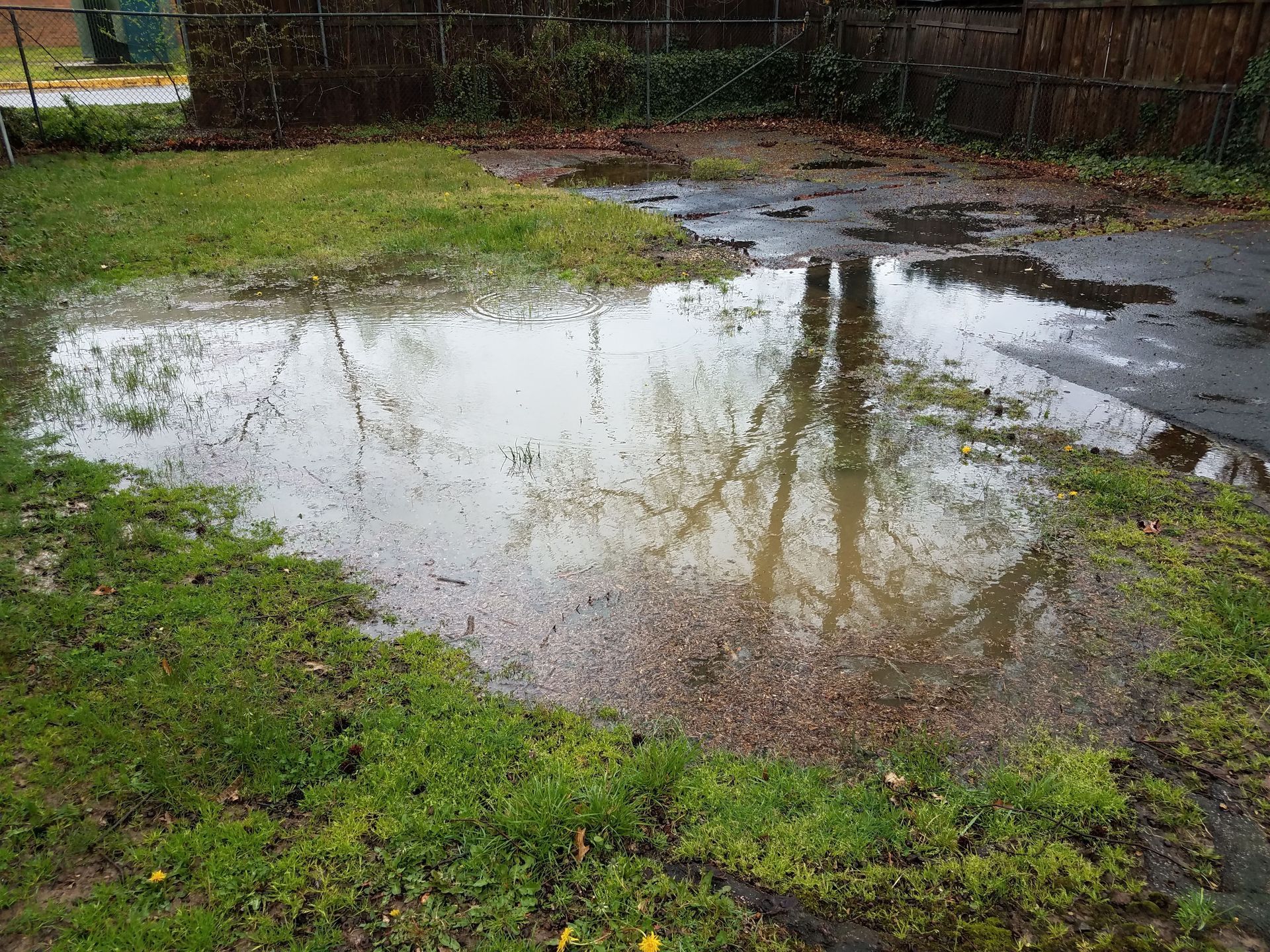
Improper water management is a leading cause of foundation deterioration. Standing water near the foundation increases soil pressure, which can lead to cracking and settling. Homeowners should ensure that gutters are functional, downspouts extend away from the house, and landscaping promotes proper drainage. Corrective measures, such as French drains or grading adjustments, may be necessary to prevent moisture-related damage.
Consistent maintenance of drainage systems and early professional intervention can minimize the risk of foundation problems and extend the lifespan of your home's base.
Understanding Tree Roots and Seismic Activity
Tree roots can intrude on foundation areas, applying pressure that leads to cracking or uneven settlement. Planting trees at a safe distance and installing root barriers can mitigate this risk.
For homes in seismically active regions, foundations must withstand sudden, significant movements. Retrofitting or reinforcing foundations for seismic activity is critical to prevent catastrophic structural failure. Professional guidance ensures that your foundation is resilient against environmental stresses.
Assessing the Extent of Structural Compromise
Evaluating how foundation issues affect the overall structure is critical. Misaligned doors, sloping floors, and bowing walls often indicate more extensive damage. Professional assessments help identify the root cause, measure the degree of compromise, and implement solutions ranging from minor reinforcement to full stabilization. Early intervention reduces risk, prevents further deterioration, and keeps repair costs manageable.
Assessing Foundation Age and Longevity
Older foundations are naturally more susceptible to wear, environmental stress, and soil movement. Understanding the age and condition of your foundation helps determine maintenance priorities and repair needs. Timely foundation repairs enhance longevity, restore stability, and protect the overall value of your home. Regular monitoring and professional inspections are key to maintaining a safe, durable foundation.
Foundation problems can escalate quickly if left unaddressed, but early detection and professional intervention make a substantial difference. By monitoring for cracks, sloping floors, moisture issues, and wall bowing, homeowners can catch warning signs before they become major structural threats. Understanding the causes of foundation damage—from soil movement and poor construction to water intrusion, tree roots, and seismic activity—empowers homeowners to take preventive action.
Professional
foundation repairs not only restore stability and safety but also protect your investment and peace of mind. If you notice any of these warning signs, don't wait. Contact a qualified foundation repair specialist today at Your Waterproofer to assess your home, prevent further damage, and ensure long-term structural safety.

Share On: