June 30, 2026
Basement waterproofing is one of the most important steps homeowners can take to protect their property from water damage and foundation issues. However, the effectiveness of any waterproofing system depends heavily on environmental factors that are often beyond a homeowner’s control. Weather patterns and soil conditions can significantly influence how water moves around and beneath a home, creating unique challenges for different properties. Understanding the relationship between these factors and basement moisture problems can help homeowners make informed decisions about prevention and long-term protection. In this article, we’ll explore how climate and soil characteristics affect waterproofing needs and what steps can be taken to maintain a dry, secure basement. By learning how local conditions impact foundation performance, homeowners can better anticipate potential risks before they become major concerns. A well-planned waterproofing strategy can also improve a home's value and reduce the likelihood of future maintenance expenses.
Assess the Impact of Weather on Basement Moisture
Weather patterns play a significant role in determining the frequency and extent of moisture issues in basements, highlighting the need for reliable waterproofing solutions. Areas with heavy rainfall or frequent storms often see increased water infiltration due to excessive ground saturation. Cold regions are not exempt, as freeze-thaw cycles can exacerbate foundation cracks, leading to water seepage over time. Given these challenges, homeowners must assess their local climate to determine the necessary adjustments to their basement waterproofing strategies.
The impact of seasonal changes cannot be overlooked when considering basement waterproofing necessities. During the rainy season, the level of groundwater rises, which significantly increases the risk of flooding and moisture accumulation in basements. Similarly, heavy snowfalls followed by rapid melting can lead to water pooling around home foundations, penetrating through weak points. Homeowners should be proactive in addressing these seasonal vulnerabilities to prevent long-term structural damage and health hazards such as mold.
Wild weather variations caused by climate change have only heightened the demand for robust basement waterproofing. According to The Spruce, approximately 60% of U.S. homes experience basement moisture issues, making waterproofing an essential for homeowners. This statistic underscores the necessity for an effective waterproofing plan that adapts to increasingly unpredictable weather patterns. By understanding local meteorological data, homeowners can better prepare their properties against future climatic disruptions.
Understand How Soil Conditions Influence Waterproofing Needs
Soil composition is a critical component in understanding basement waterproofing needs because different soil types interact distinctively with water. Clay soils, known for their poor drainage capability, tend to retain water, placing additional hydrostatic pressure on basement walls. This pressure can exploit existing cracks and imperfections, allowing moisture to seep inside. Conversely, sandy soils offer superior drainage naturally, but they may shift over time, creating gaps that require specific waterproofing measures.
Loamy soils, which are considered ideal for general gardening, blend sand, silt, and clay, offering balanced drainage and stability. However, fluctuations in moisture levels due to inconsistent precipitation can still present waterproofing challenges. Understanding the specific drainage capacities and potential for soil swelling and shrinking helps homeowners tailor waterproofing solutions to their unique situation. Choosing the appropriate materials and methods, like installing drainage systems or using sealants, depends significantly on soil analysis.
Regional variations in soil types demand personalized approaches to basement waterproofing. Homes built on expansive clay might benefit from interior drainage solutions and foundation reinforcement to counteract the soil's expanding nature. Conversely, properties with sandy soil may require surface drainage enhancements to prevent water from reaching the foundation in the first place. Ultimately, investing in a professional soil analysis can illuminate the most effective waterproofing strategy tailored for specific residential conditions.
Identify Warning Signs of Basement Water Problems
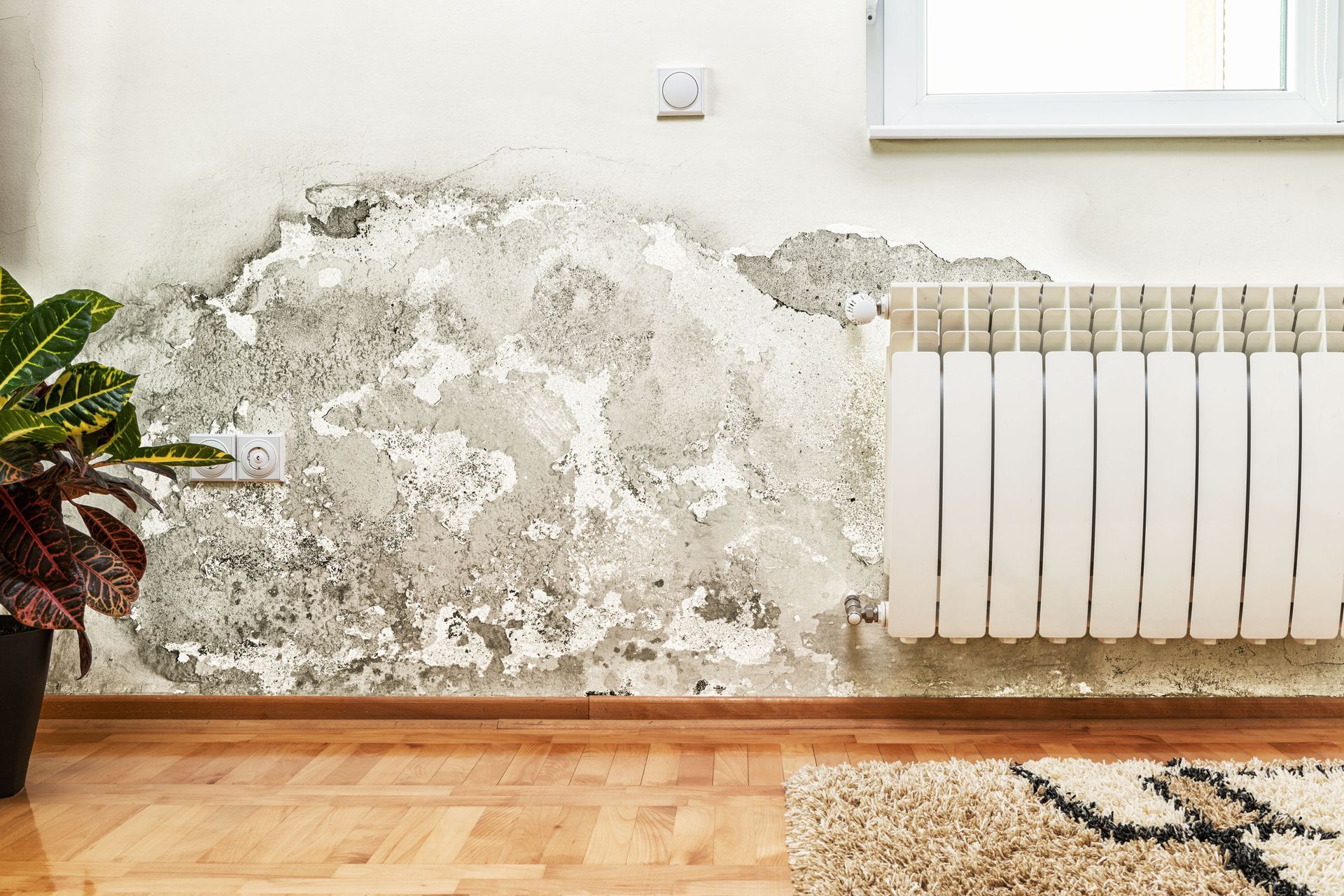
Early identification of basement moisture issues is key to preventing extensive damage and costly repairs. Common warning signs include visible water stains on basement walls or floors, indicating water intrusion through cracks or gaps. Musty odors often accompany mold and mildew growth fueled by persistent moisture, which can jeopardize indoor air quality and health. Regularly inspecting the basement for these signs can help determine if immediate waterproofing interventions are necessary.
More subtle indicators of moisture problems include peeling paint, efflorescence on walls, and warped wood, suggesting consistent exposure to humidity. Furthermore, if homeowners notice a sudden increase in humidity levels indoors, this could be a result of basement moisture infiltration. Addressing these issues promptly can prevent further structural deterioration and protect against serious health risks such as allergies and respiratory issues caused by mold exposure. It's essential to maintain vigilance and conduct routine maintenance checks to safeguard the basement environment.
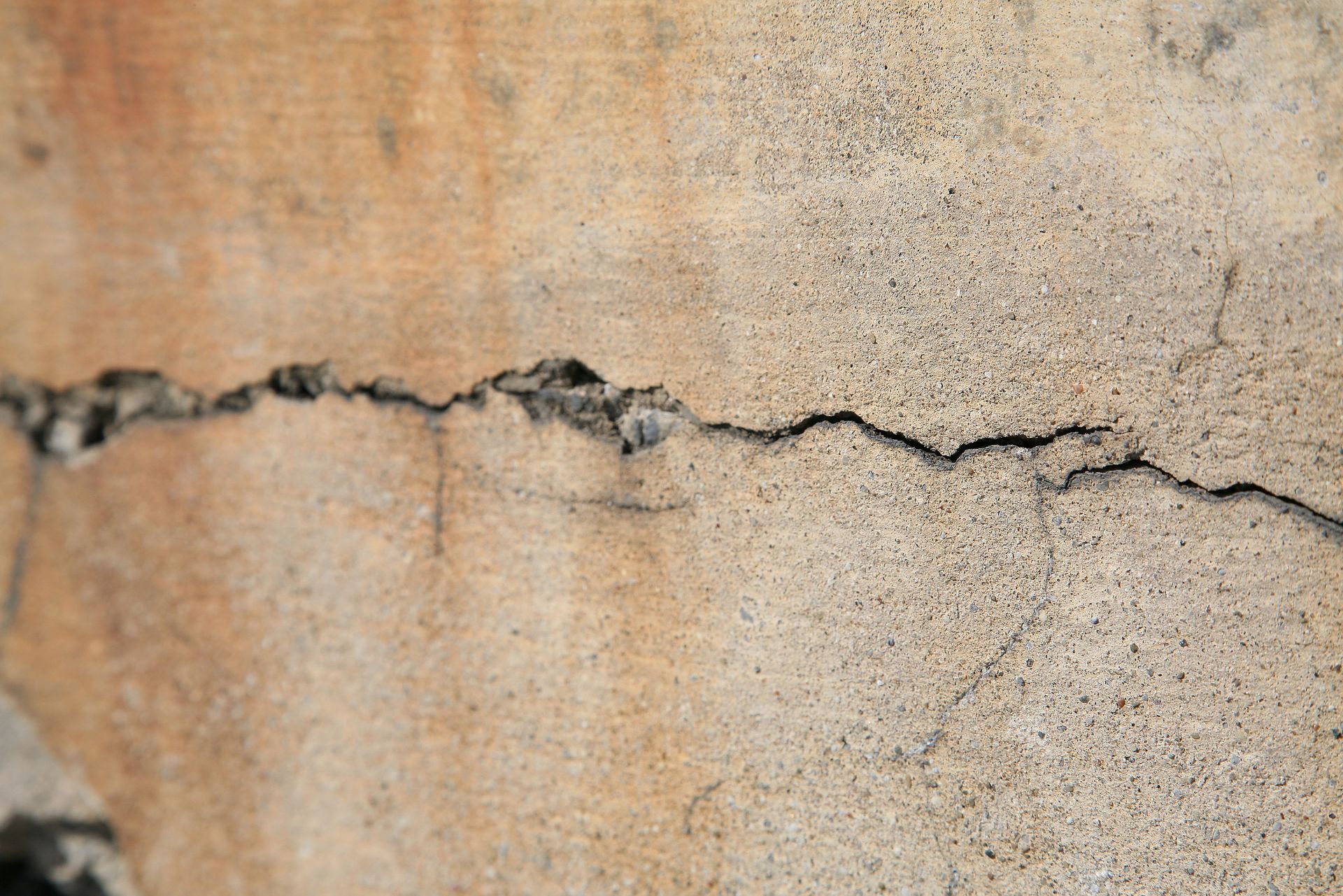
Structural signs that point towards the need for basement waterproofing include cracks in the foundation or walls, which can serve as entry points for water. Horizontal cracks often signify additional hydrostatic pressure, which requires expert assessment and intervention. Concrete spalling, where pieces of the foundation begin to flake and crack, also indicates severe moisture infiltration issues. Ensuring a dry and stable basement involves responding to these warning signs with appropriate waterproofing techniques like sealant applications or the installation of drainage systems.
Choose the Right Basement Waterproofing Solution
Selecting the correct basement waterproofing solution hinges on a comprehensive assessment of the home's exposure to water-related threats. Homeowners should consider both internal and external measures, such as sump pump installations or exterior waterproofing membranes, based on the intensity and frequency of their basement's water issues. Incorporating a multi-faceted approach often yields the most effective results in creating a waterproof environment. Consulting with a professional can provide clarity on which combination of methods best aligns with specific property needs.
Interior waterproofing solutions focus on redirecting water out of the basement using methods like French drains or interior sealants. Despite being erroneously perceived as less effective than exterior methods, they offer valuable defense against minor leaks and condensation build-up. These solutions can be particularly fitting for homes with limited outdoor access or vegetation-protected exteriors. Evaluating the particular constraints and resources available will guide homeowners in implementing the most fitting waterproofing strategy within the home.
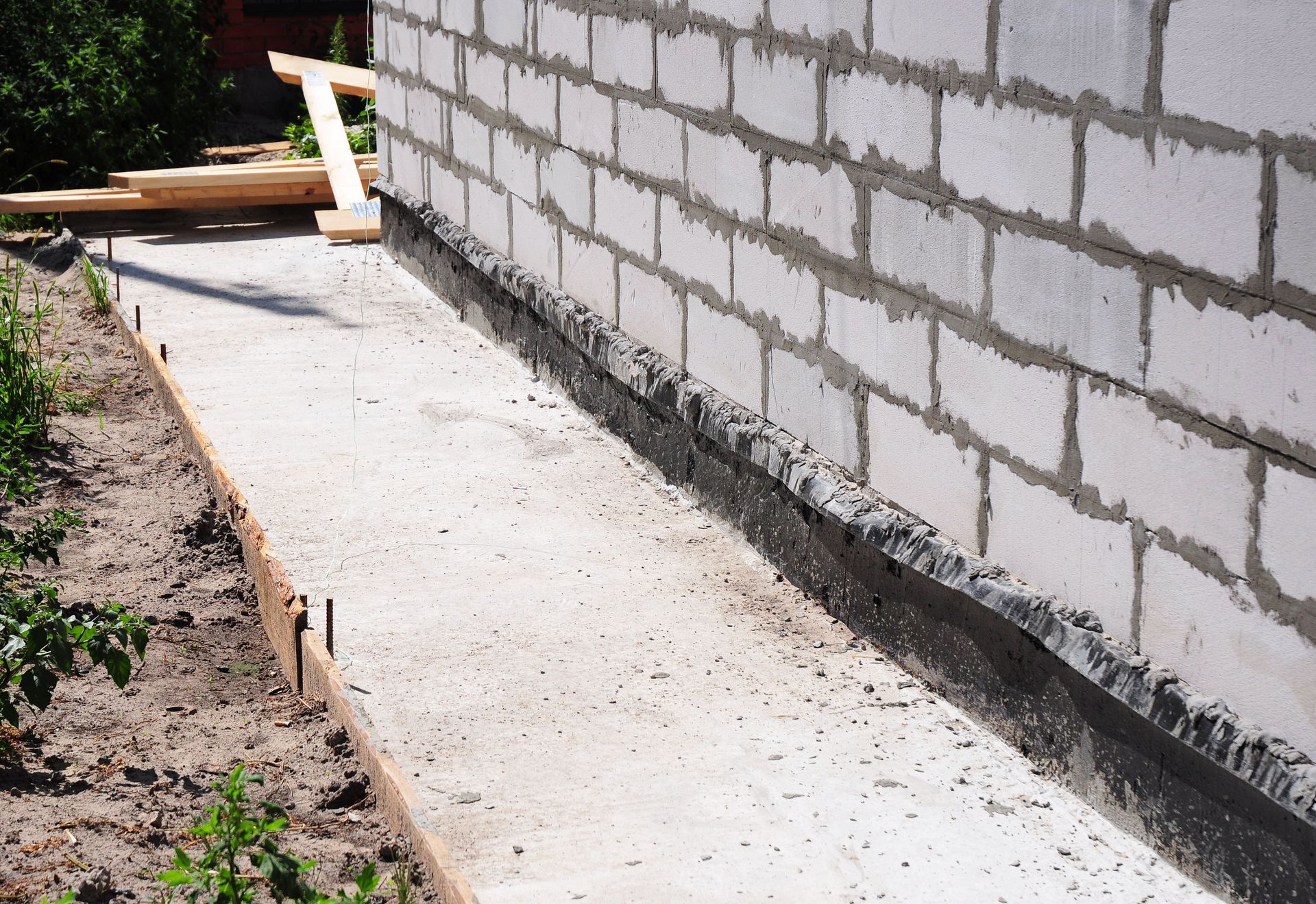
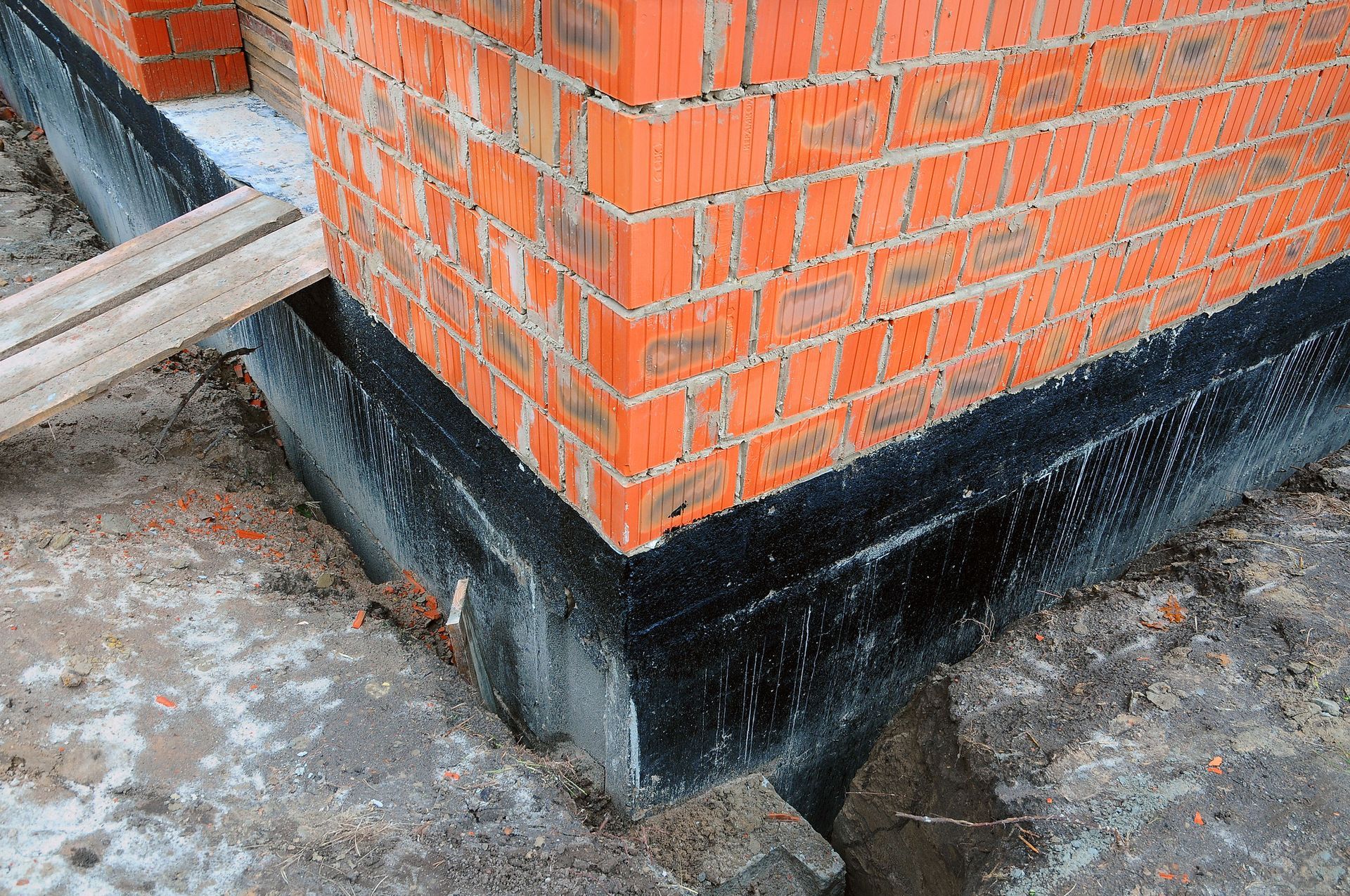
Exterior waterproofing involves creating a barrier that prevents water entry from outside, often considered the more robust option for severe waterproofing needs. This approach includes installing drainage panels, applying sealant or membranes during construction, and landscaping adjustments to redirect water flow. With climate and soil differences in mind, exterior solutions might be necessary for homes built in high-rain regions or those with poorly draining soils. Ultimately, the choice between interior and exterior methods should reflect the specific risk factors and environmental challenges of each property.
Weather and soil conditions play a major role in determining the type and level of basement waterproofing a home requires. From heavy rainfall and snowmelt to expansive clay soils and shifting sandy terrain, environmental factors can increase the risk of moisture intrusion and foundation damage. Recognizing warning signs early and selecting waterproofing solutions that address specific site conditions can help homeowners avoid costly repairs and preserve the structural integrity of their homes. By taking a proactive approach and working with experienced professionals when needed, homeowners can create a waterproofing strategy tailored to their property's unique challenges. Investing in the right protection today can provide peace of mind and a safer, healthier living environment for years to come. Reach out to Your Waterproofer to learn more about our services today.